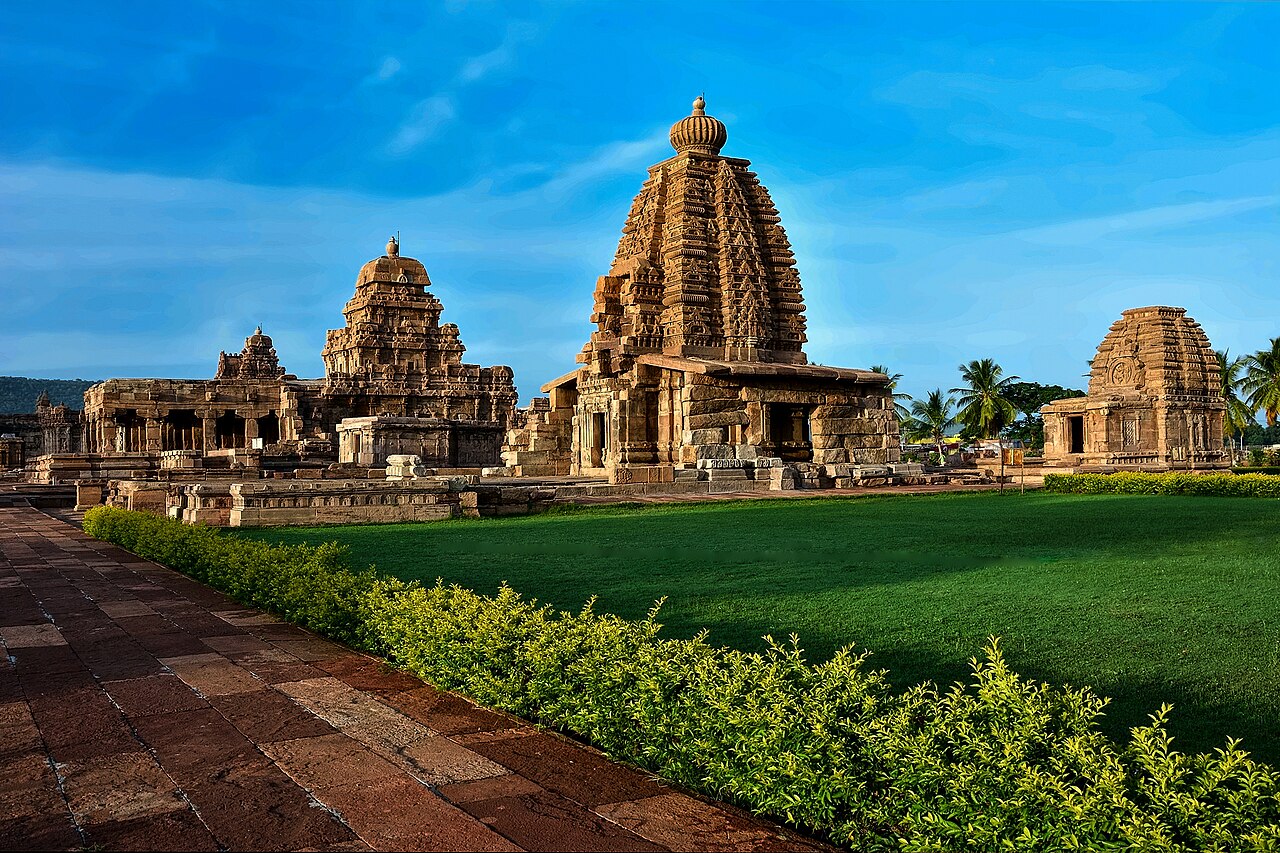
Pattadakal Group of Monuments
Where northern and southern temple styles meet
📷 Basavaraj M · CC BY-SA 4.0 · Wikimedia Commons
The story
Welcome to Pattadakal, whose name means stone of coronation. Chalukya kings were crowned here, beside the Malaprabha river, which turns to flow northward near this spot, a direction considered especially sacred. Look around and you will see two great traditions side by side. Some temples wear curved northern towers in the Nagara style, while others rise in stepped southern Dravida tiers. Now walk to the largest of all, the Virupaksha temple. Around the year 740, Queen Lokamahadevi built it to celebrate the victories of her husband, King Vikramaditya the Second, over the Pallavas of Kanchipuram. Its walls are alive with stories from the Ramayana, the Mahabharata and the Puranas, and if you look closely, you may find the names of sculptors carved beneath their panels. Worship still continues inside. In 1987, UNESCO declared this whole group a World Heritage Site.
Crowd forecast
Best time to visit: 6 AM
Estimated from day, hour, season, holidays & festivals, blended with live visitor reports.
How crowded is it right now?
Rate 1 to 10 — 1 is almost empty, 10 is packed.
Plan your visit
Timings
6:00 AM – 6:00 PM (approx.; ASI lists sunrise to sunset)
Entry
₹40 for Indian citizens and SAARC/BIMSTEC visitors, ₹600 for foreign nationals, children under 15 free (ASI)
Typical visit
120 min
Best time
October to February; early morning or late afternoon for warm light on the sandstone. The Pattadakal Dance Festival is usually held in January or February.
Accessibility
Easy access · ~10 steps (approx.)
The main group sits on flat, well-kept lawns linked by paved walkways, making it the easiest of the Chalukya sites for elderly visitors. Temple interiors have a few steps and raised thresholds, and the stone gets hot at midday. The Jain temple is about a kilometre west and is reached by road.
Key facts
- The Group of Monuments at Pattadakal was inscribed as a UNESCO World Heritage Site in 1987 under criteria (iii) and (iv).
- The site has ten major temples, nine Hindu (dedicated to Shiva) and one Jain, along with many smaller shrines and plinths; UNESCO calls it 'a harmonious blend of architectural forms from northern and southern India'.
- Four temples are built in the southern Dravida style and four in the northern Nagara style, while the Papanatha temple fuses the two.
- The Virupaksha temple, the largest, was built around 740–745 CE by Queen Lokamahadevi to commemorate King Vikramaditya II's victories over the Pallavas; inscriptions call it 'Shri Lokeshvara Mahasila Prasada'.
- An inscription names the Virupaksha temple's chief architect as Gundan Anivaritachari (also written Gunda Anivaritacharya), and artists' names are inscribed beneath many panels.
- The top of the Virupaksha temple's kalasha finial is about 17.5 m above the pavement, and the temple is still an active place of Hindu worship.
- The Mallikarjuna (Trailokeshwara) temple beside Virupaksha was sponsored by Queen Trailokyamahadevi, also to celebrate Vikramaditya II's victory over the Pallavas.
- The Sangameshwara temple, the oldest of the group, was built during the reign of Vijayaditya Satyashraya (697–733 CE) and was left unfinished at his death.
- The Jain Narayana temple, about a kilometre west of the main cluster, dates to the 9th century, likely under the Rashtrakuta king Krishna II.
- Pattadakal means 'stone of coronation'; it hosted Chalukya coronations and was also known as Kisuvolal ('valley of red soil') and Raktapura ('city of red').
- The Malaprabha river turns to flow northward (uttaravahini) about a kilometre before Pattadakal, which is considered sacred in Hindu tradition.
- Pattadakal is about 23 km from Badami and about 10 km from Aihole, and is managed by the Archaeological Survey of India.
Artisans nearby
Hidden gems nearby
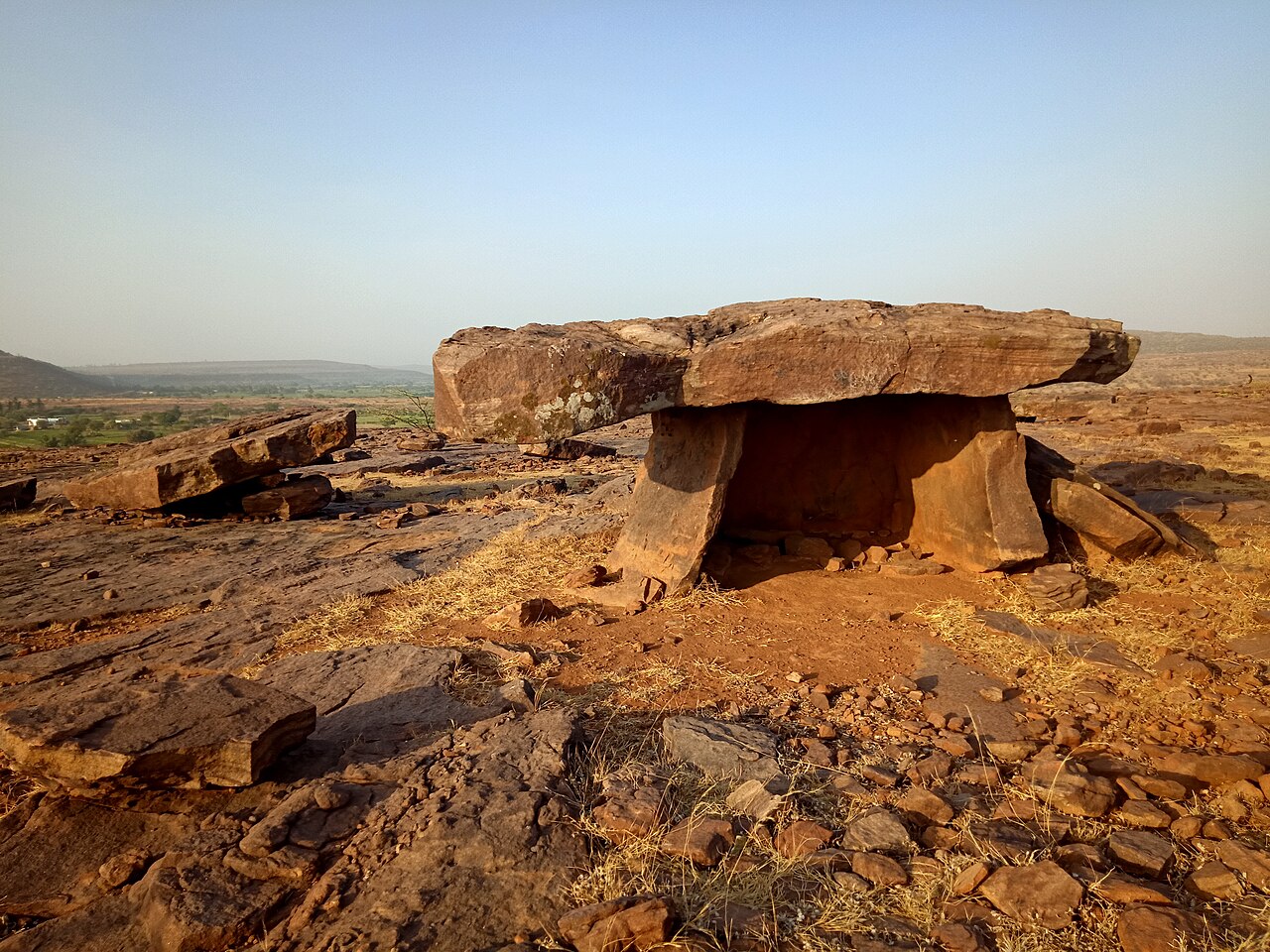
Siddhanakolla
A hidden rocky valley of springs and saints
Calm· 2%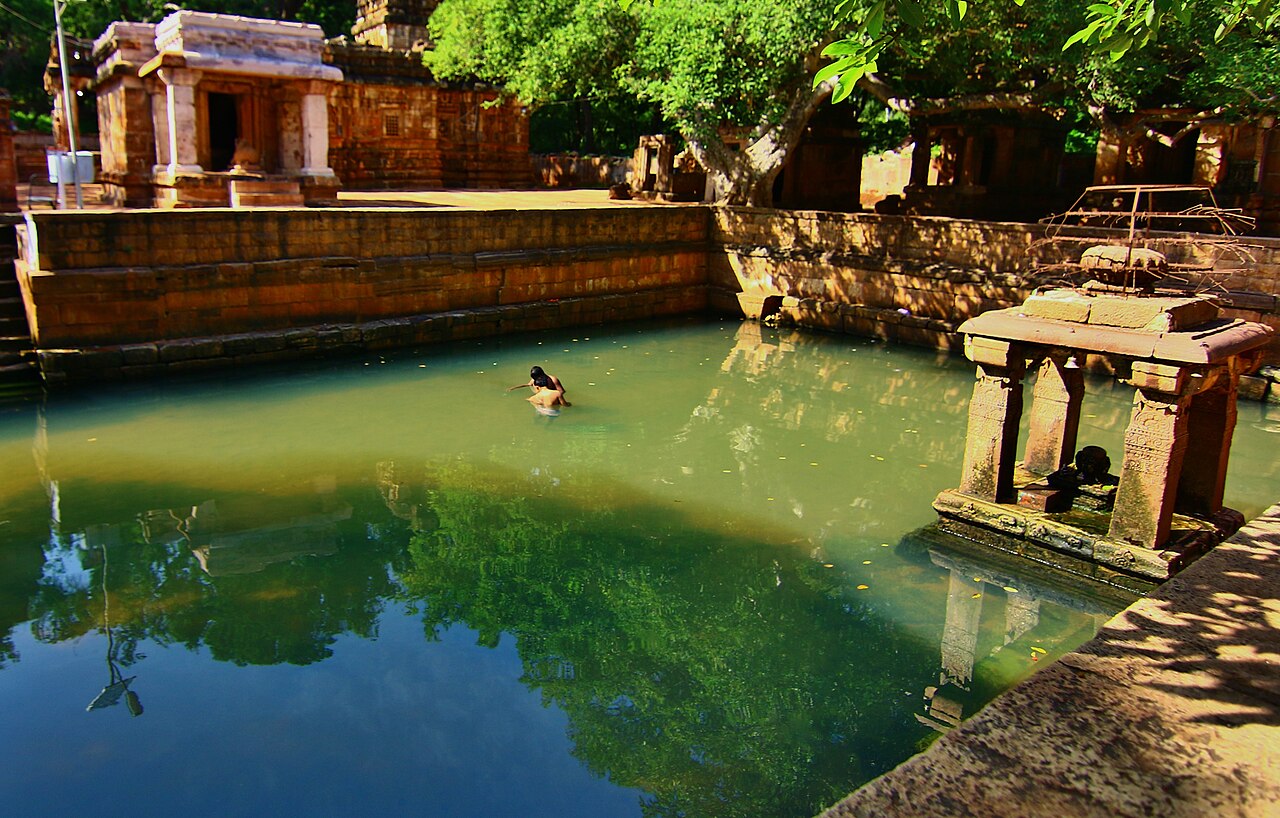
Mahakuta Group of Temples
Chalukya shrines around a living spring-fed tank
Calm· 3%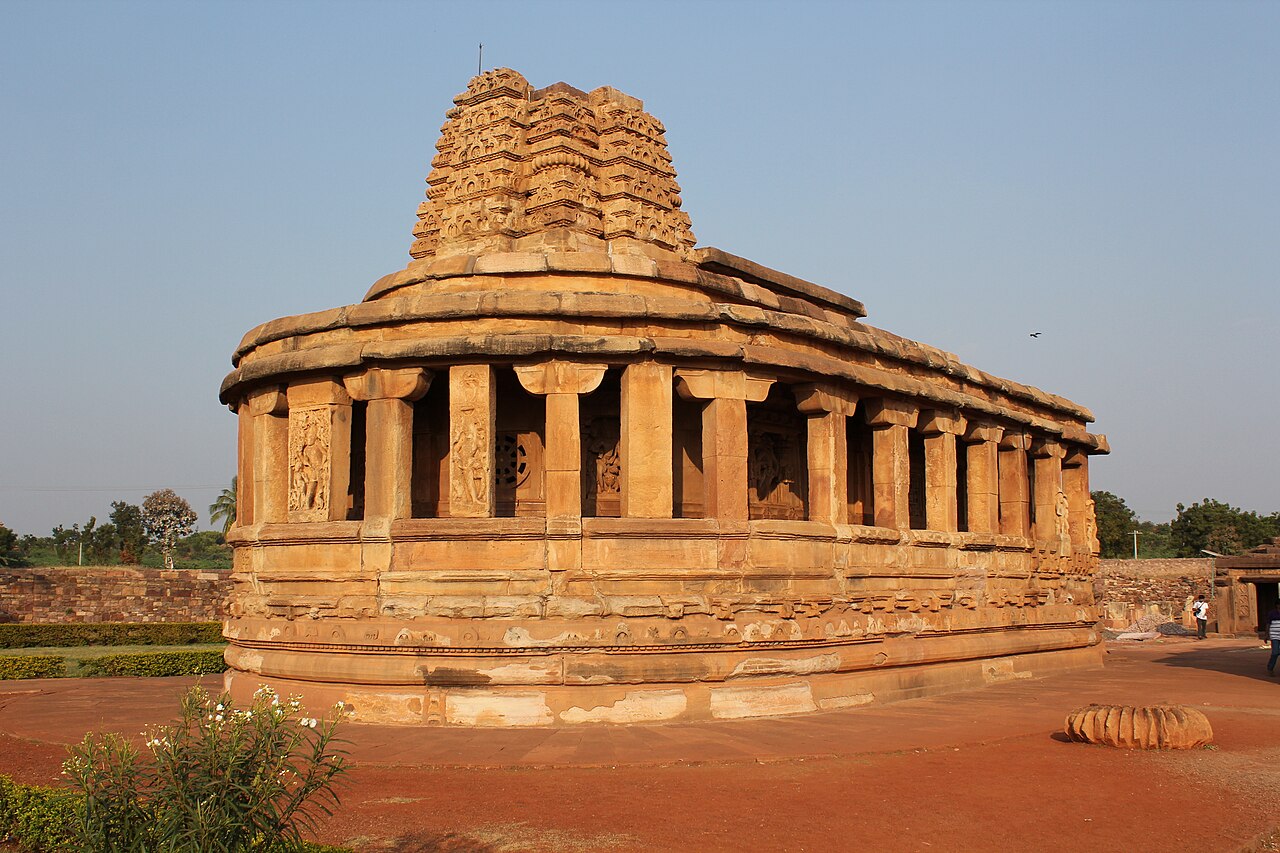
Aihole Temple Complex
Cradle of Indian temple architecture
Calm· 6%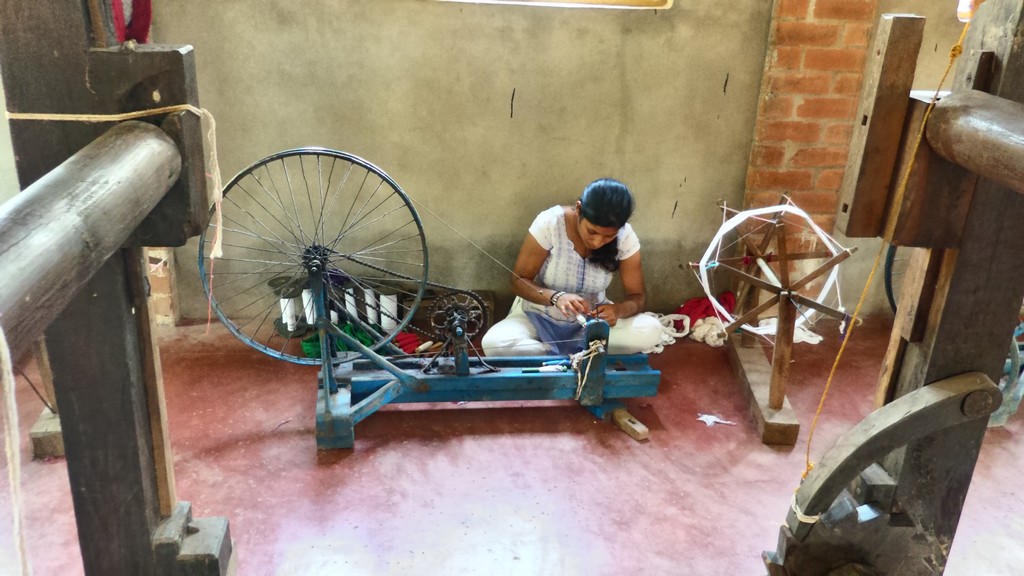
Guledgudda Khana Weavers
Home of the shimmering khana blouse fabric
Calm· 2%Sources (6)
- https://whc.unesco.org/en/list/239
- https://en.wikipedia.org/wiki/Pattadakal
- https://asi.nic.in/pages/WorldHeritagePattadakal
- https://karnatakatourism.org/en/destinations/pattadakal
- https://www.waytoindia.com/travel-guide/karnataka/badami-aihole-pattadakal
- https://www.openstreetmap.org/search?query=Virupaksha%20temple%20Pattadakal