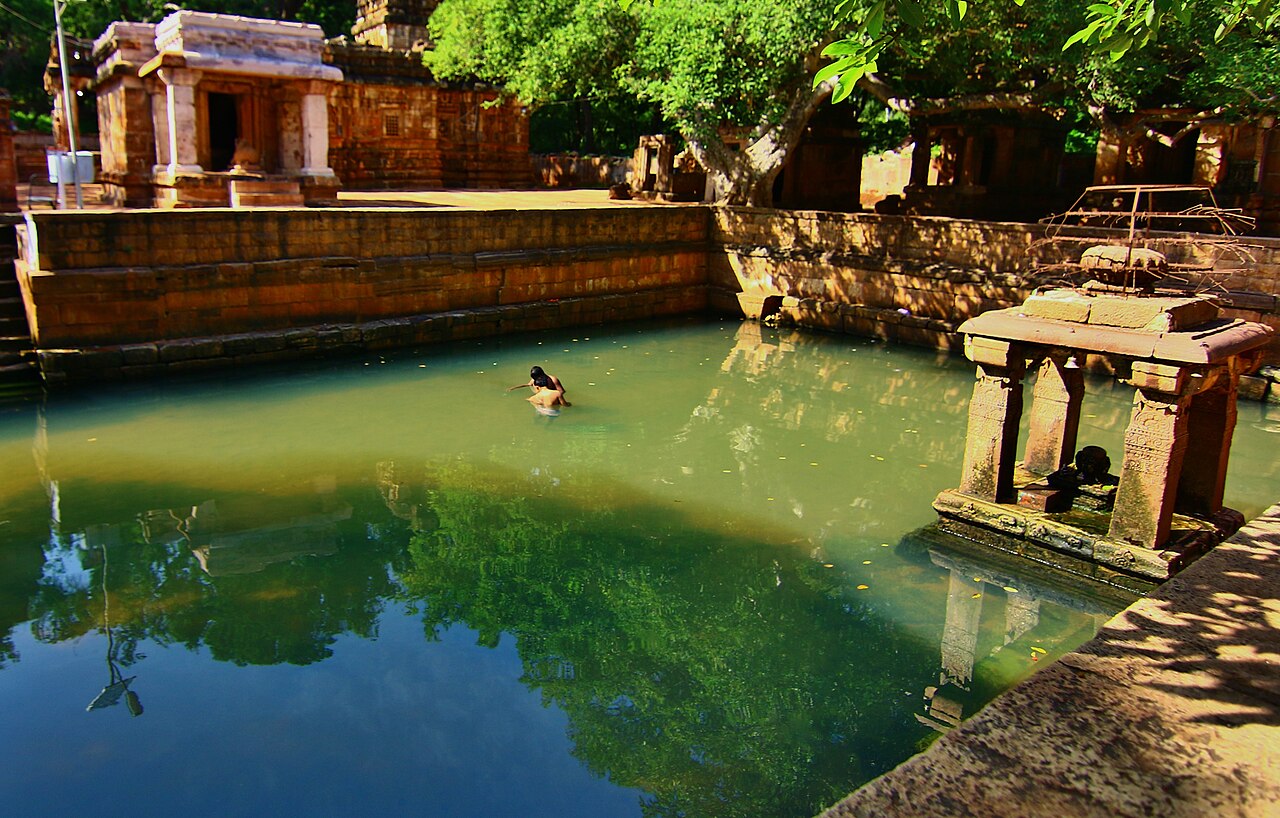
Mahakuta Group of Temples
Chalukya shrines around a living spring-fed tank
📷 Sudhir Herle · CC BY-SA 4.0 · Wikimedia Commons
The story
Welcome to Mahakuta, a peaceful village tucked among the hills near Badami. More than thirteen hundred years ago, the early Chalukya kings built these Shiva shrines around a spring that still flows today. Look at the towers around you. Some rise in stepped tiers in the southern Dravida style, while others curve upward in the northern Nagara style, standing side by side. The largest are the Mahakuteshwara and Mallikarjuna temples. Now walk to the Vishnu Pushkarini, the tank fed by fresh spring water. In its centre sits a little shrine with a five-faced linga, one face for each direction and one on top. Devotees bathe here, believing the water washes away sins, which is why people call Mahakuta the Kashi of the south. A famous stone pillar from here, carved with an inscription of King Mangalesha, is now kept in the Gol Gumbaz museum at Vijayapura.
Crowd forecast
Best time to visit: 6 AM, 7 AM
Estimated from day, hour, season, holidays & festivals, blended with live visitor reports.
How crowded is it right now?
Rate 1 to 10 — 1 is almost empty, 10 is packed.
Plan your visit
Timings
6:00 AM – 8:00 PM (approx.)
Entry
Free
Typical visit
60 min
Best time
October to February, in the early morning or late afternoon for cooler weather and soft light; Maha Shivaratri (February or March) brings festive crowds.
Accessibility
Partly accessible · ~10 steps (approx.)
Courtyards are mostly level but paved with uneven old stone; the tank has stone steps down to the water and shrine doorways have raised thresholds. Step count is an estimate. Facilities nearby are basic.
Key facts
- The Mahakuta temples were built by the early Chalukya kings of Badami and are dated to the 6th or 7th century CE.
- The complex places south Indian Dravida style shrines, with tiered towers, next to north Indian Nagara style shrines, with curvilinear towers.
- The Mahakuteshwara temple, built in the Dravida style, and the Mallikarjuna temple are the largest shrines in the group.
- A natural mountain spring flows within the complex and feeds the large Vishnu Pushkarini tank and a smaller ablution tank called Papavinasha Tirtha.
- A small shrine in the middle of the Vishnu Pushkarini houses a Panchamukha (five-faced) Shiva linga.
- Wall reliefs in the complex include Ardhanarishvara, the half-Shiva, half-Parvati form.
- The Mahakuta Pillar inscription of the Chalukya king Mangalesha, in Sanskrit using old Kannada script and dated to around 601–602 CE, records a gift of ten villages to the deity Makuteshvaranatha.
- The Mahakuta Pillar, of red sandstone and about 14.5 feet tall, is now displayed at the Gol Gumbaz museum in Vijayapura (Bijapur).
- The Vinapoti inscription on the porch of the Mahakuteshwara temple, dated between about 696 and 733 CE, records a gift of rubies and a silver umbrella to the deity.
- Belief: bathing in the Vishnu Pushkarini is said to wash away sins, so Mahakuta is popularly called Dakshina Kashi, the Kashi of the south.
- Mahakuta lies roughly 13–15 km by road from Badami, between Badami and Pattadakal (approx.).
- Maha Shivaratri is the main annual festival and draws large numbers of devotees.
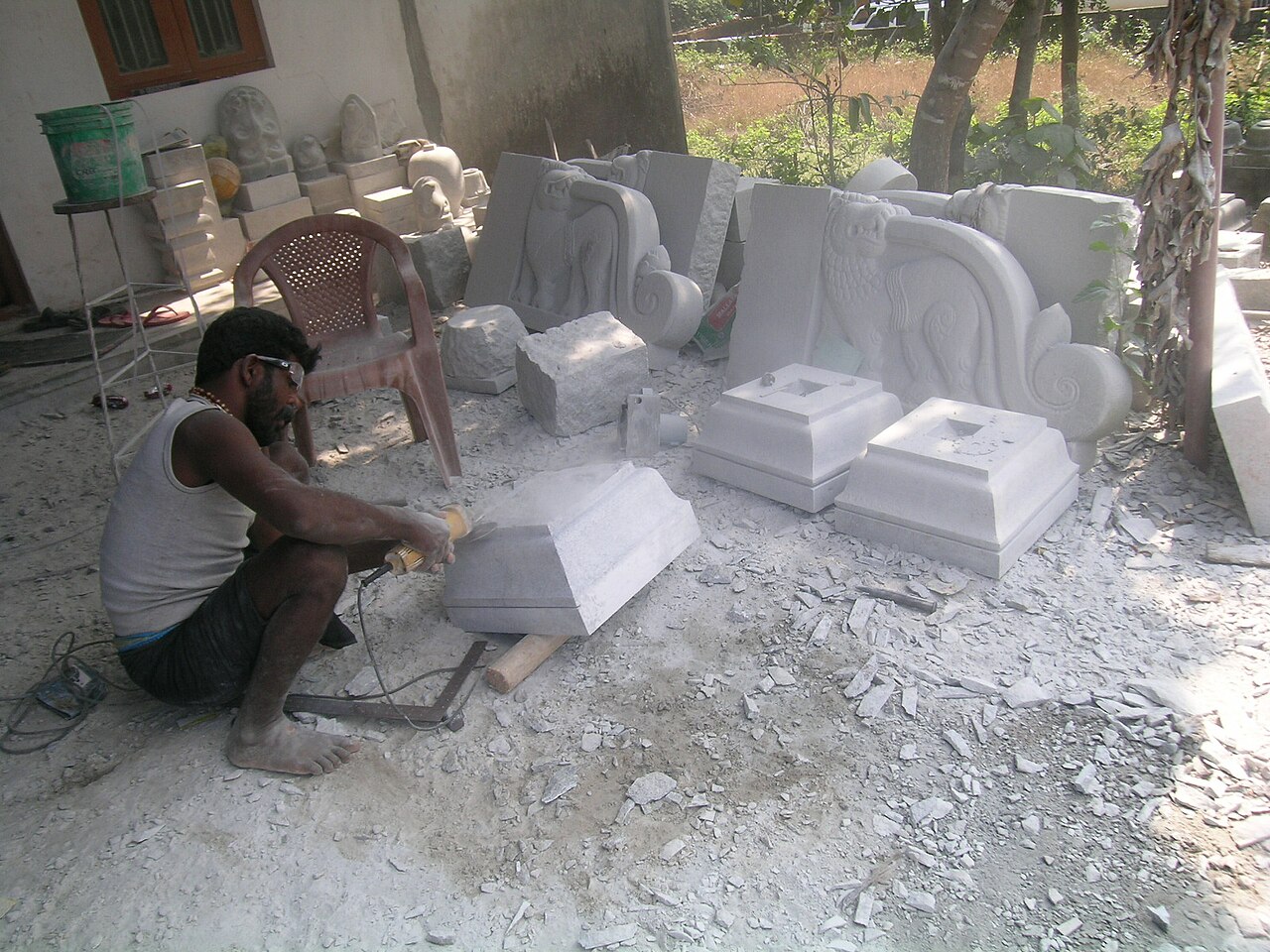
Artisans nearby

Hidden gems nearby
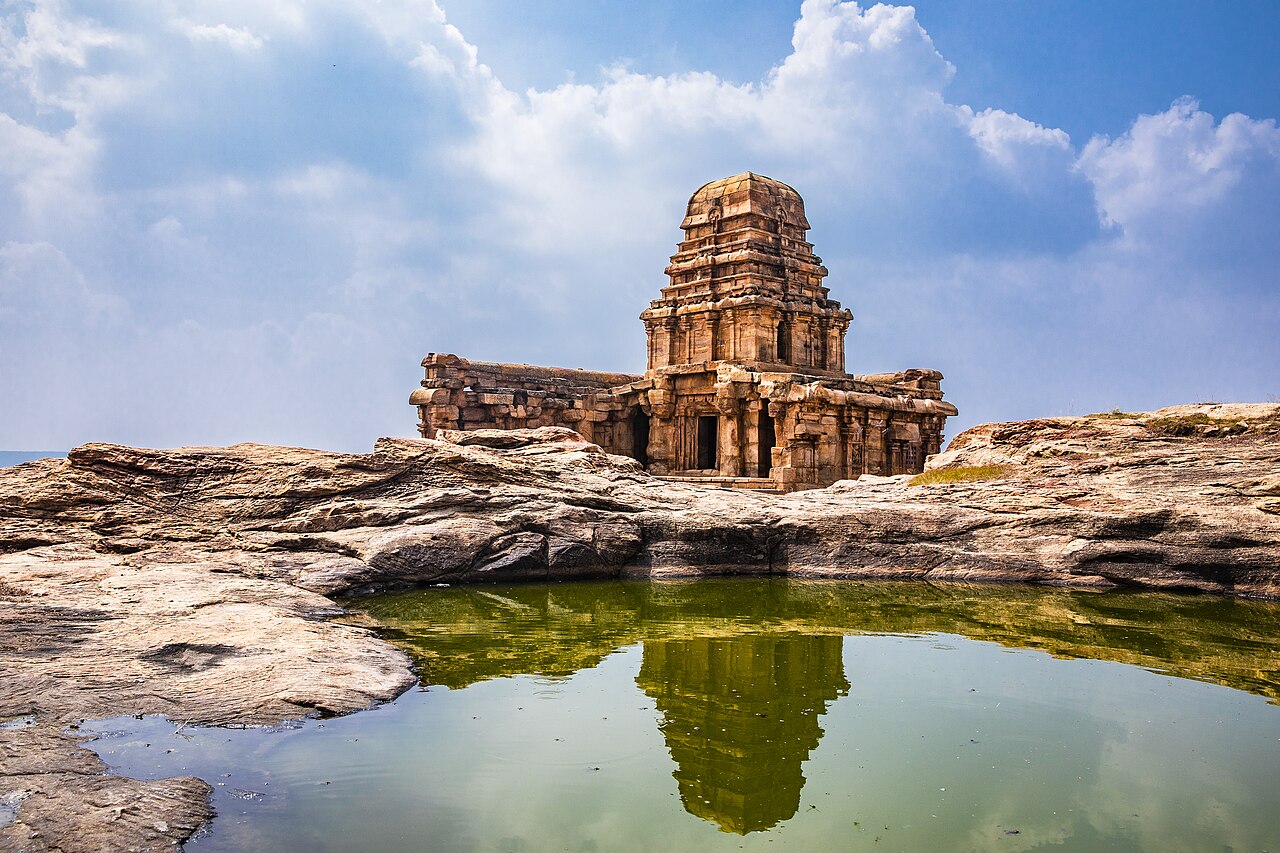
Badami North Fort and Shivalayas
Ancient temples crowning Badami's rocky citadel
Calm· 4%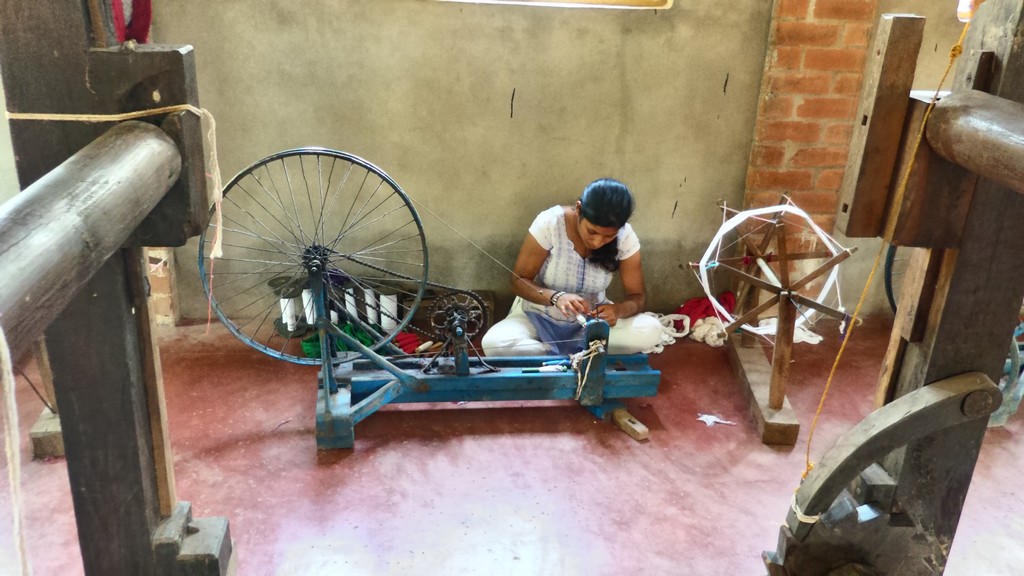
Guledgudda Khana Weavers
Home of the shimmering khana blouse fabric
Calm· 2%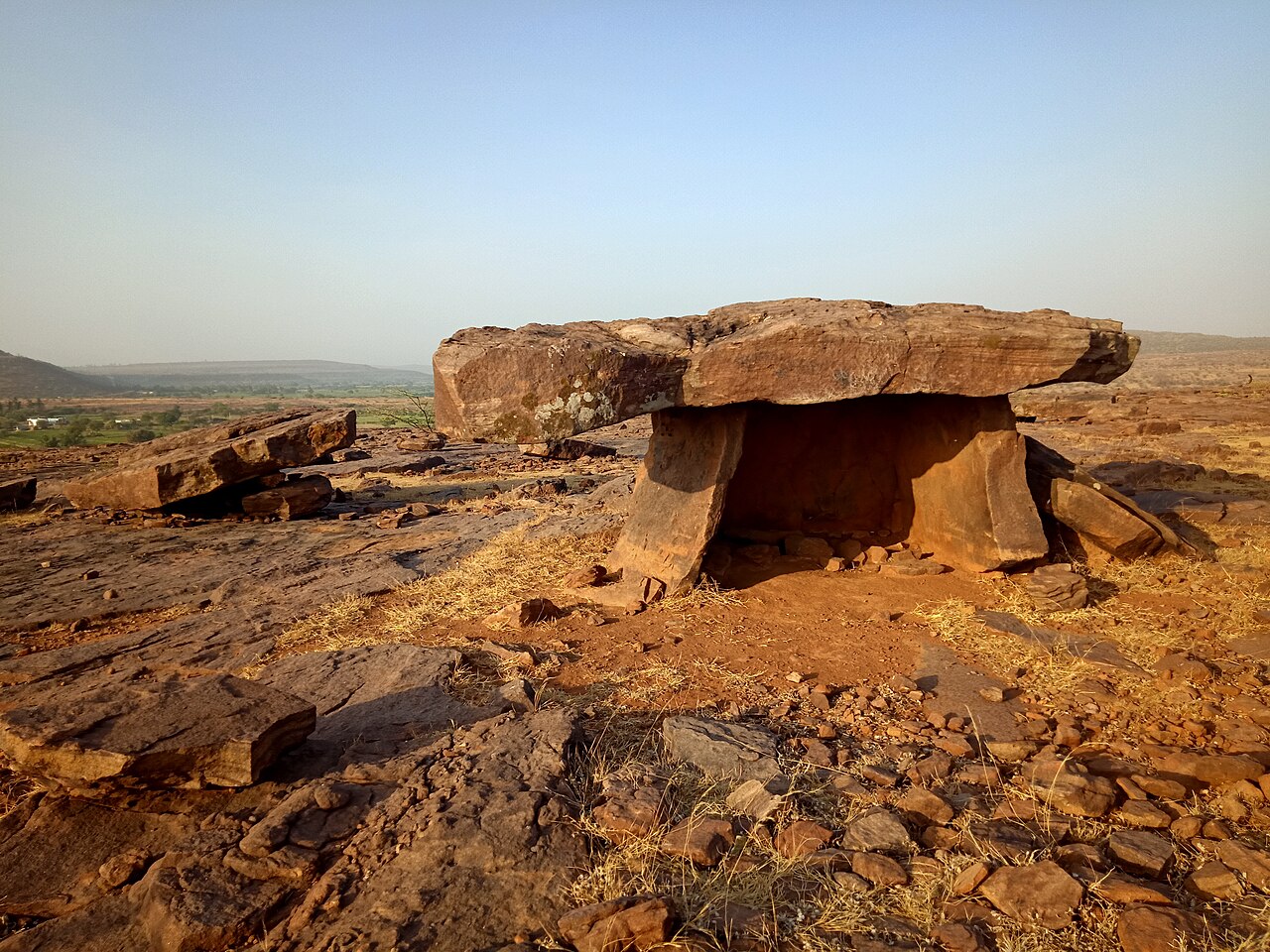
Siddhanakolla
A hidden rocky valley of springs and saints
Calm· 2%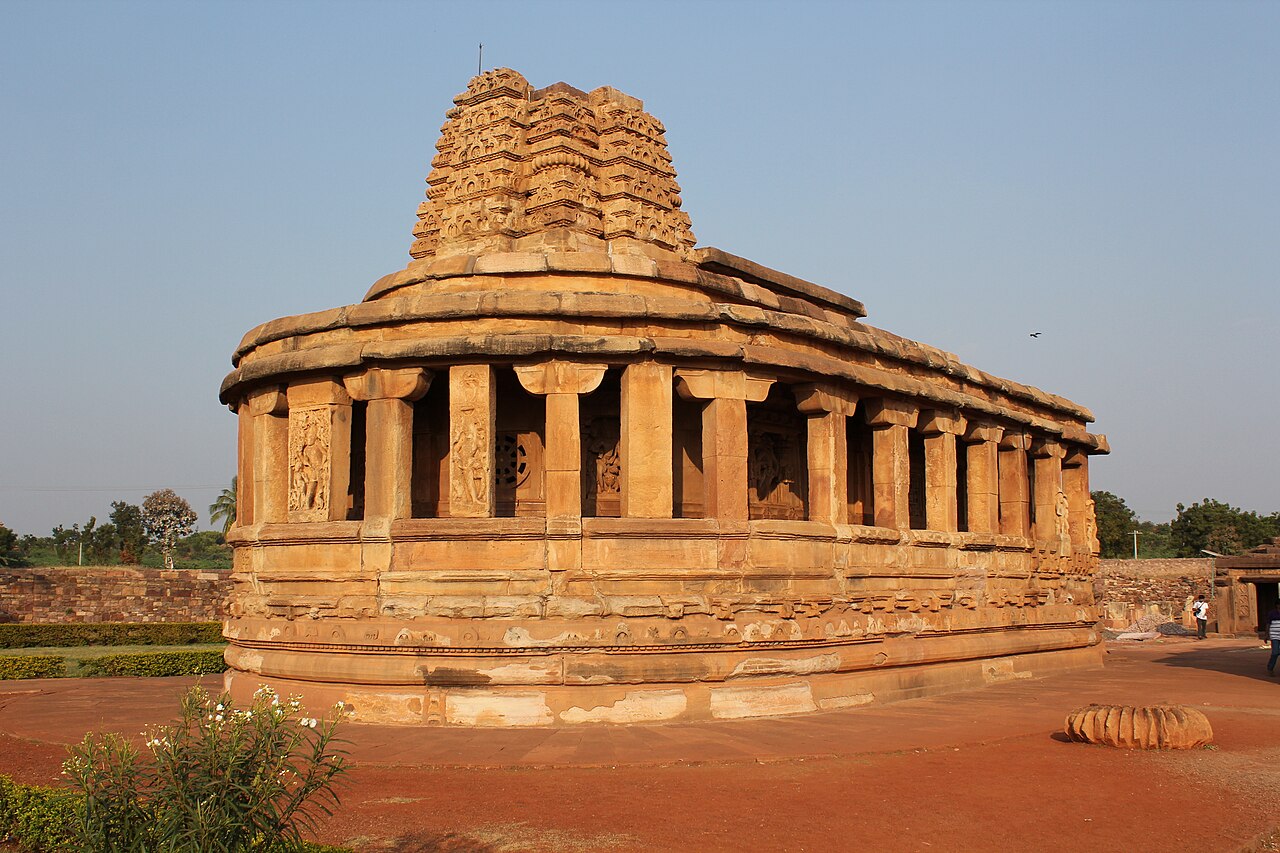
Aihole Temple Complex
Cradle of Indian temple architecture
Calm· 6%