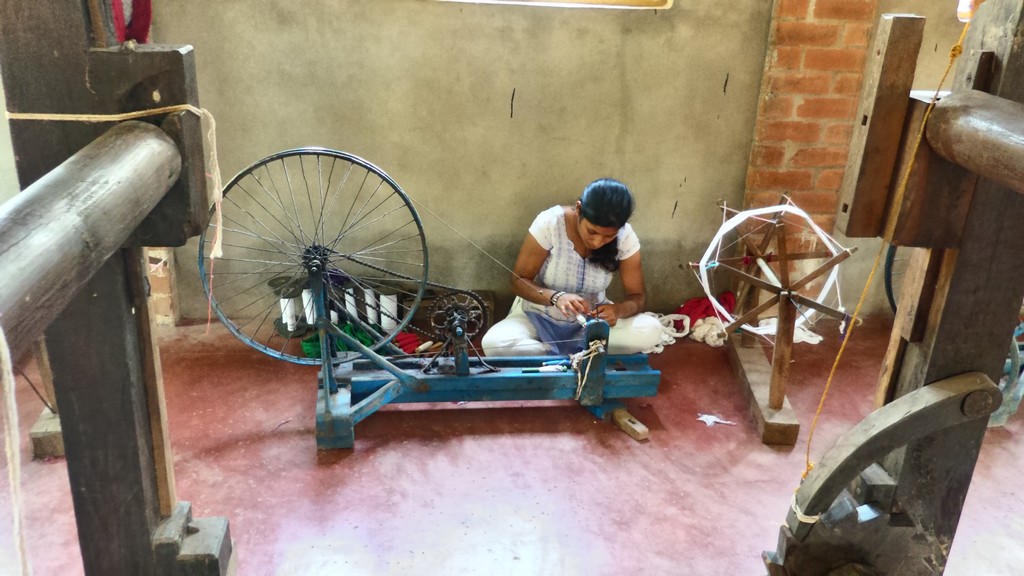
Guledgudda Khana Weavers
Home of the shimmering khana blouse fabric
📷 Pavanaja · CC BY-SA 4.0 · Wikimedia Commons
The story
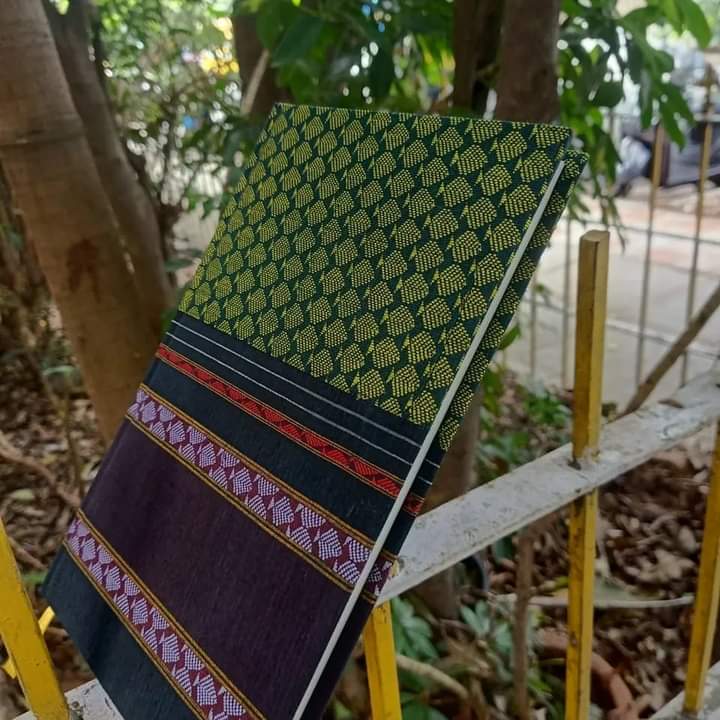
Welcome to Guledgudda, a small town where weaving has been a way of life for generations. The treasure here is khana, a handwoven fabric made from silk and cotton and traditionally stitched into blouses worn with the Ilkal saree. Run your fingers over it and you will feel tiny raised patterns. Weavers create them with extra warp threads and a dobby attachment on the loom, giving a honeycomb-like texture that catches the light. Look for the face of the sun god Suryanarayana, the chariot called theru, elephant footsteps called ane hejje, the tulsi leaf and the fragrant sooji mallige flower. Many designs are inspired by nature, by Hindu mythology and by the old sculptures of Badami. The weave has been practised here for over two hundred years, and in 2016 Guledgudd khana received its Geographical Indication certificate. Buying directly supports the weavers.
Crowd forecast
Best time to visit: 6 AM, 7 AM, 8 AM
Estimated from day, hour, season, holidays & festivals, blended with live visitor reports.
How crowded is it right now?
Rate 1 to 10 — 1 is almost empty, 10 is packed.
Plan your visit
Timings
Weaving units generally work in the daytime, roughly 9:00 AM – 6:00 PM (approx.); hours vary by household and society
Entry
Free to visit; fabric is sold at shop or society prices
Typical visit
60 min
Best time
October to March, on weekday daytime visits when the looms are working; easy to combine with Badami and Mahakuta. Avoid the hot midday of April and May.
Accessibility
Partly accessible · ~2 steps (approx.)
Looms are in homes and small units along narrow lanes with cramped interiors; some units have a step or two at the entrance. Parking is limited to the roadside.
Key facts
- Guledgudd Khana is a registered Geographical Indication: application no. 210 was filed on 29 July 2010 and certificate no. 252 was issued on 31 March 2016.
- The GI applicant was the Guledgudd Handloom Weavers Production and Marketing Co-operative Society Limited.
- Khana (also written khann or khun) is a handwoven fabric traditionally used for blouses worn with Ilkal sarees.
- It is woven from silk and cotton, typically with a silk warp and a cotton weft of around 40s to 60s count.
- The patterns are made with extra-warp dobby figuring, using separate ground, border and extra warps, which gives a raised, honeycomb-like brocade texture.
- Traditional motif names include Suryanarayana (the sun god's face), Siddeshwar mukuta, theru (chariot), ane hejje (elephant footprints), tulsi pan (tulsi leaf) and sooji mallige (a jasmine flower).
- Designs draw on nature, Hindu mythology and the ancient stone sculptures of Badami.
- The GI record notes khana weaving in the region for over 200 years; popular accounts of an 8th-century Chalukya origin are unverified tradition.
- According to the 1881 census cited by Incredible India, Guledgudd had over ten thousand people, of whom about 500 families were engaged in handloom weaving.
- The traditional fabric width was about 31 inches; modern pieces go up to about a metre.
- Khana is the traditional blouse fabric of parts of North Karnataka and Maharashtra.
- Guledgudda town, formerly in Badami taluk, is now the headquarters of its own taluk in Bagalkote district.
Artisans nearby
Hidden gems nearby
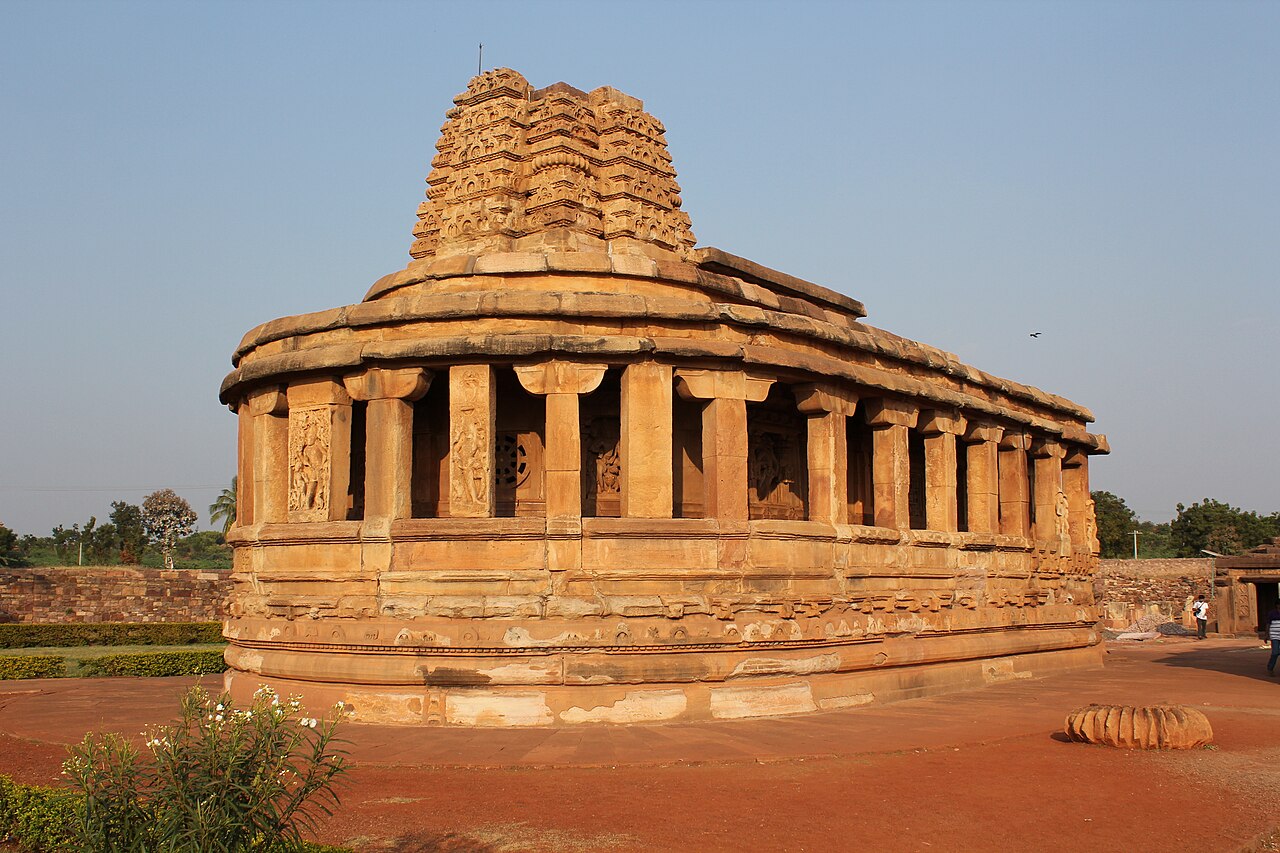
Aihole Temple Complex
Cradle of Indian temple architecture
Calm· 6%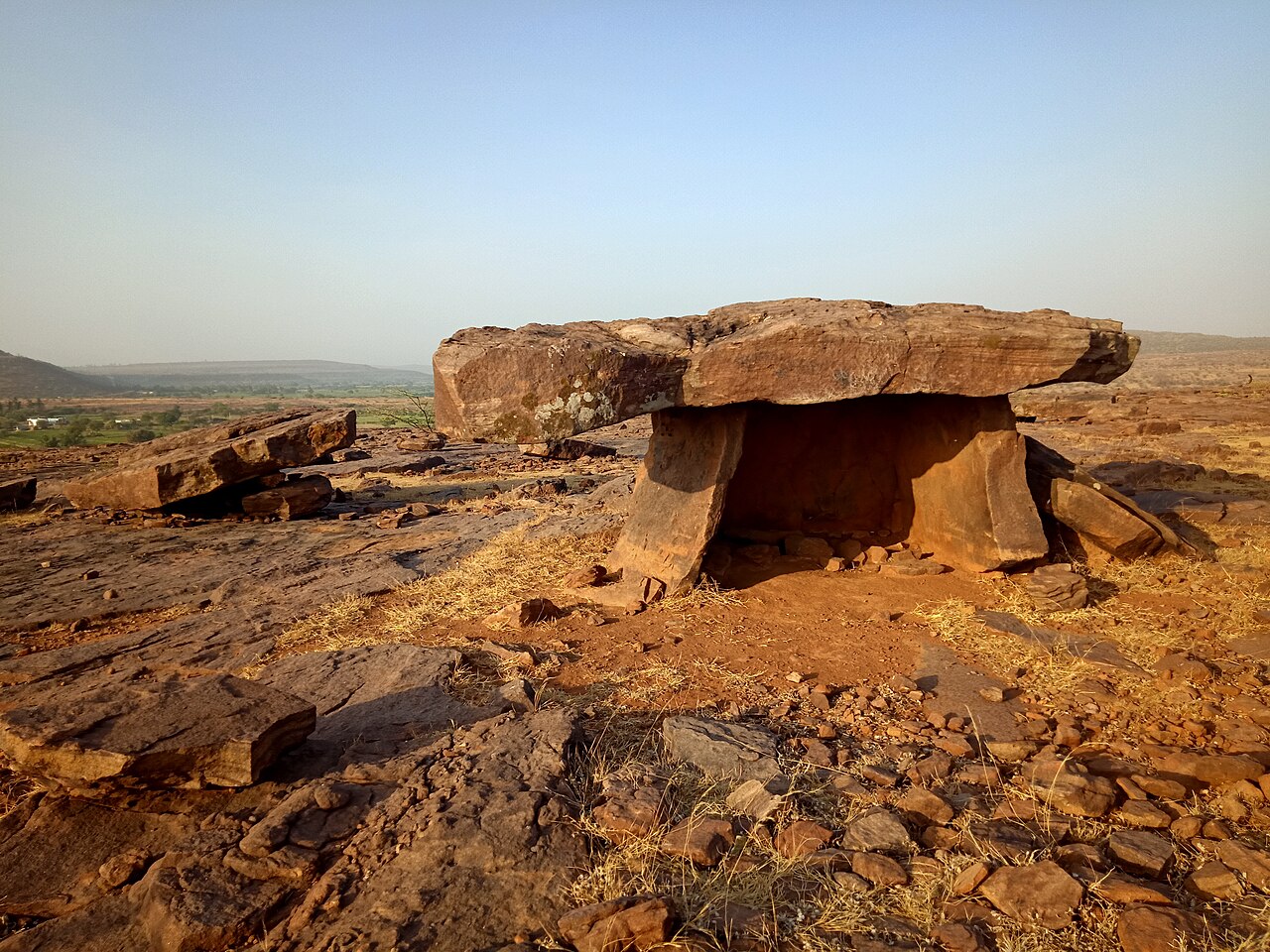
Siddhanakolla
A hidden rocky valley of springs and saints
Calm· 2%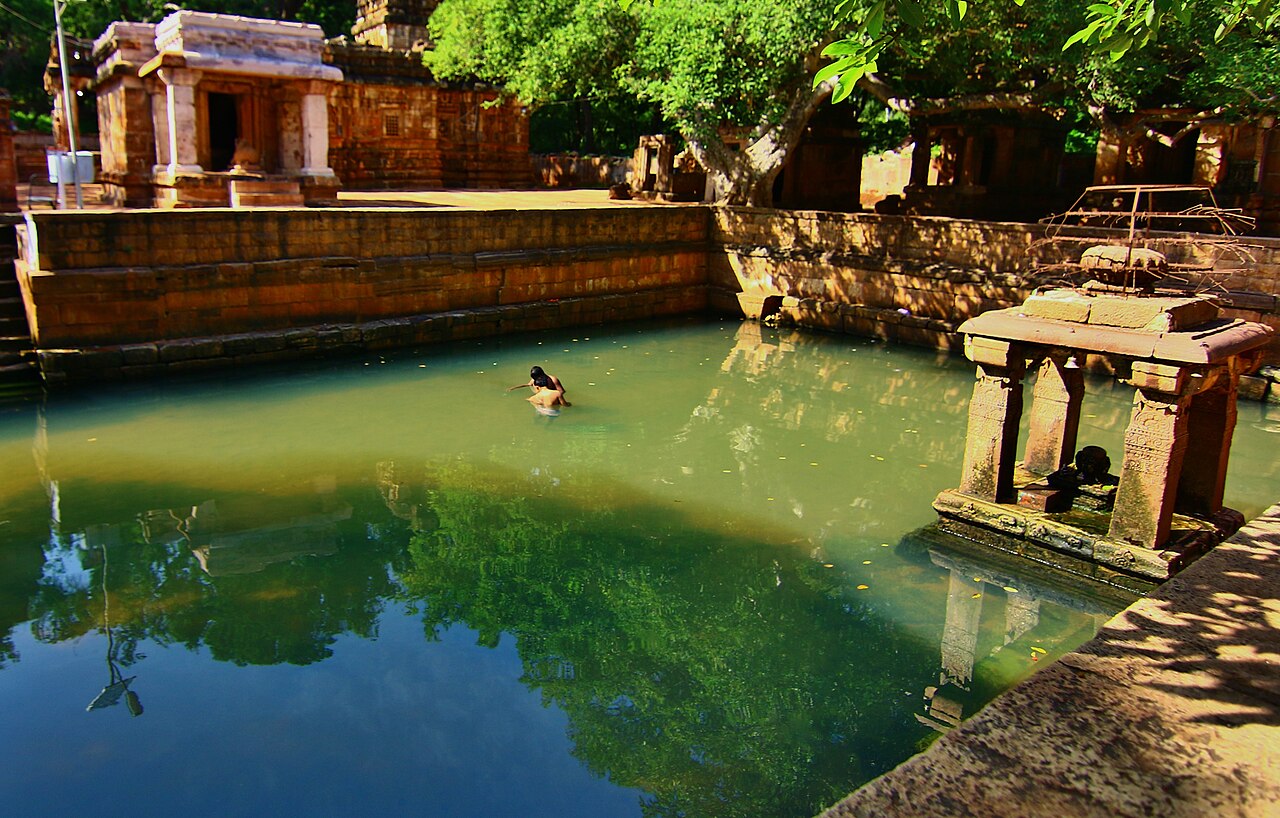
Mahakuta Group of Temples
Chalukya shrines around a living spring-fed tank
Calm· 3%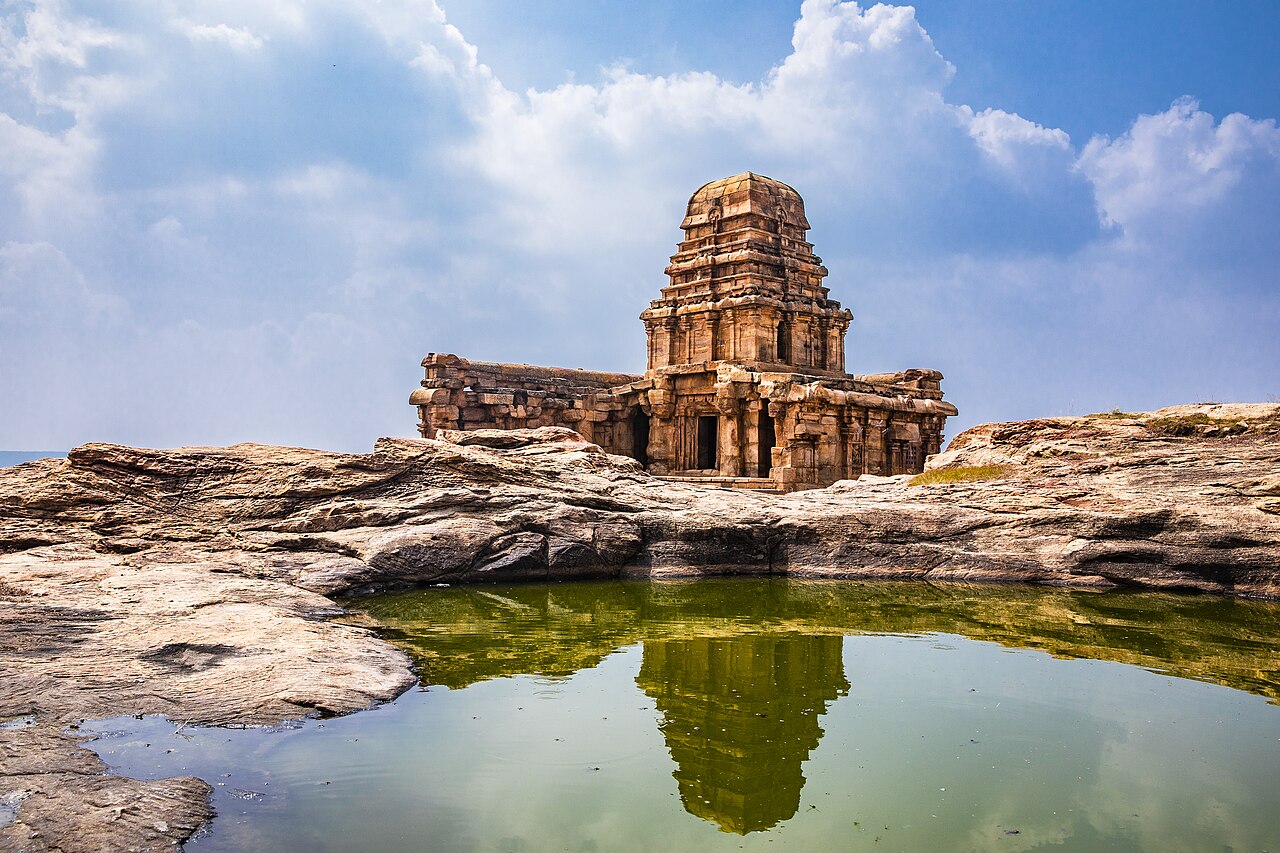
Badami North Fort and Shivalayas
Ancient temples crowning Badami's rocky citadel
Calm· 4%Sources (6)
- https://search.ipindia.gov.in/GIRPublicSearch/Application/Details/210
- https://www.incredibleindia.gov.in/en/karnataka/guledgudd-khana
- https://www.globalinch.org/craft/khana-of-guledgudd-karnataka/
- https://isha.sadhguru.org/en/outreach/save-the-weave/indian-weaves/guledgudda-khun-0
- https://en.wikipedia.org/wiki/Guledgudda
- https://en.wikipedia.org/wiki/List_of_geographical_indications_in_India