Siddhanakolla
A hidden rocky valley of springs and saints
📷 Shyamal L. · CC BY-SA 4.0 · Wikimedia Commons
The story
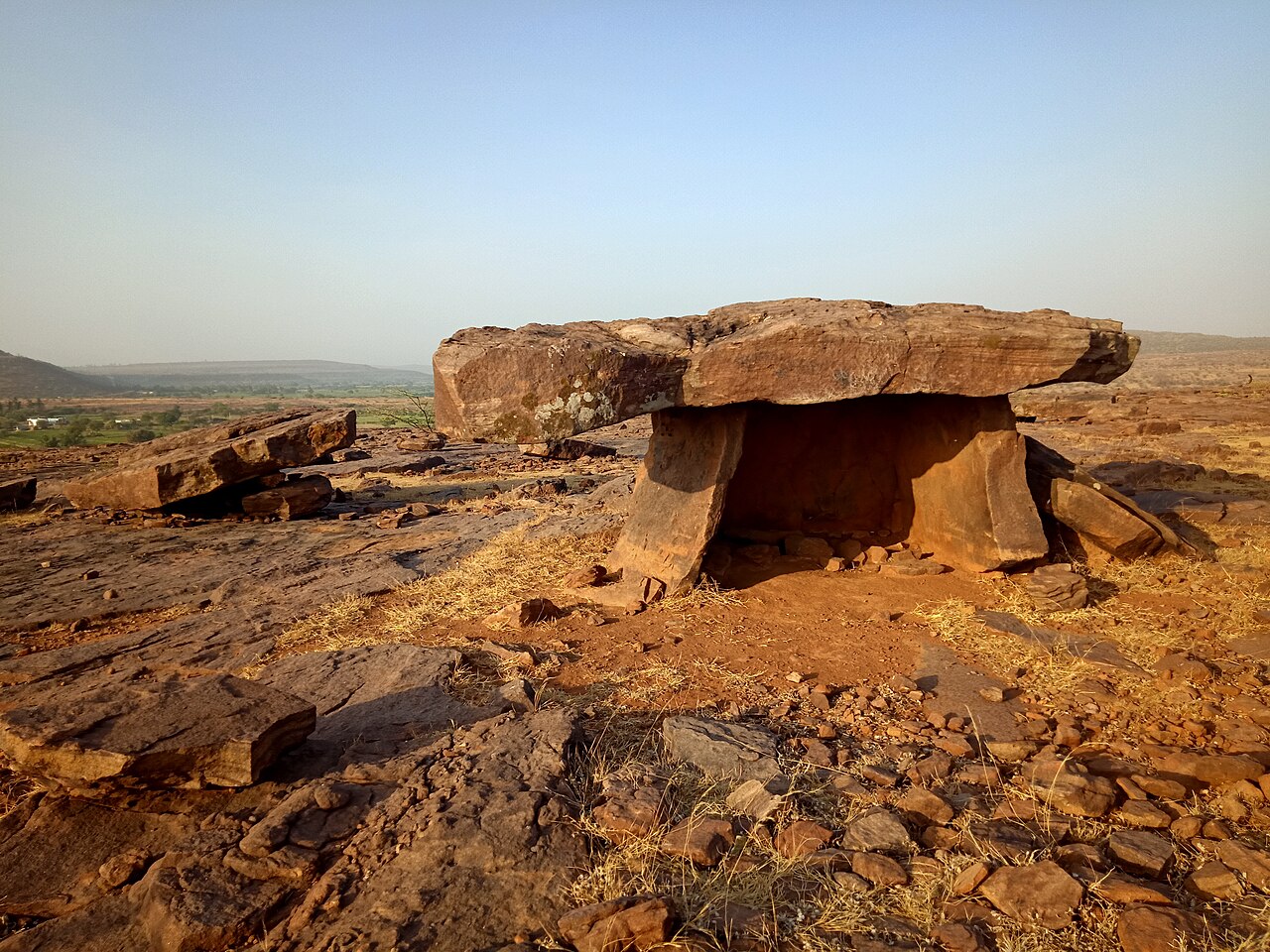
Welcome to Siddhanakolla, one of the quiet secrets near Aihole. In Kannada, a kolla is a valley, and here a valley opens out of a rugged hill of rock. Archaeologists count this area among the region's Stone Age sites. Look closely at the rock floor of the natural shelter, and you will find a carving of Lajja Gauri, the lotus-headed mother goddess, made around thirteen hundred years ago in the Chalukya period and still worshipped by people praying for children. Nearby stand the old Siddheshwara and Sangameshwara temples. Fresh water trickles out of the rock, and when the monsoon arrives, streams tumble over the rocks as a waterfall. The matha here remembers the saint Siddappajja, who came from the Ron area, meditated in this valley and is honoured at his samadhi. Walk slowly, watch your step on the rocks, and enjoy the silence.
Crowd forecast
Best time to visit: 6 AM, 7 AM, 8 AM
Estimated from day, hour, season, holidays & festivals, blended with live visitor reports.
How crowded is it right now?
Rate 1 to 10 — 1 is almost empty, 10 is packed.
Plan your visit
Timings
Open site, best visited in daylight, around 7:00 AM – 6:00 PM (approx.)
Entry
Free
Typical visit
60 min
Best time
July to October, during and just after the monsoon, when the spring and waterfall flow and the valley is green; mornings are best. The rest of the year is dry and hot by midday. An annual fair is reported around Makara Sankranti in January.
Accessibility
Difficult for wheelchairs · ~40 steps (approx.)
Rocky, uneven paths and rock-cut steps; slippery near the water in the monsoon. Wear good footwear and carry water. Step count is an estimate and facilities are minimal.
Key facts
- Siddhanakolla (also spelt Siddanakolla) is a small village and sacred site in Bagalkote district, a few kilometres from Aihole on the Aihole–Pattadakal side (about 5 km, approx.).
- Kolla means valley or ravine in Kannada; the temples stand at the head of a valley in a rocky hill.
- A Lajja Gauri, the lotus-headed mother goddess, is carved in relief on the rock floor of a natural grotto at the Lakulisha temple here and is dated to the late 7th century CE.
- The Lajja Gauri image is still in worship, notably by pilgrims seeking fertility blessings.
- The rock shelter has a natural trough in front that collects and stores rainwater.
- Two old temples, Sangameshwara and Siddheshwara, of the Chalukya–Rashtrakuta period stand near the rock shelter.
- Sculptures here include Saptamatrikas (seven mother goddesses) and Lajja Gauri of the Shakta tradition, dated broadly to the 6th–8th century.
- Local research describes Aihole and Siddhanakolla as important Stone Age sites; an ASI booklet quoted by a heritage researcher mentions Upper Palaeolithic and Megalithic cave paintings and relics in the area (approx. 15,000–300 BCE).
- Fresh water flows from the rock, and in the rainy season the streams form a waterfall.
- A matha here is associated with the saint Siddappajja, who came from the Ron area and did spiritual practice at the site; his samadhi mandir stands here.
- The ruins of the small Haalsiddeshwara fort lie roughly 600 m from the Siddhanakolla temple (approx.).
- An annual fair is reported to be held around Makara Sankranti in January.
Artisans nearby
Hidden gems nearby
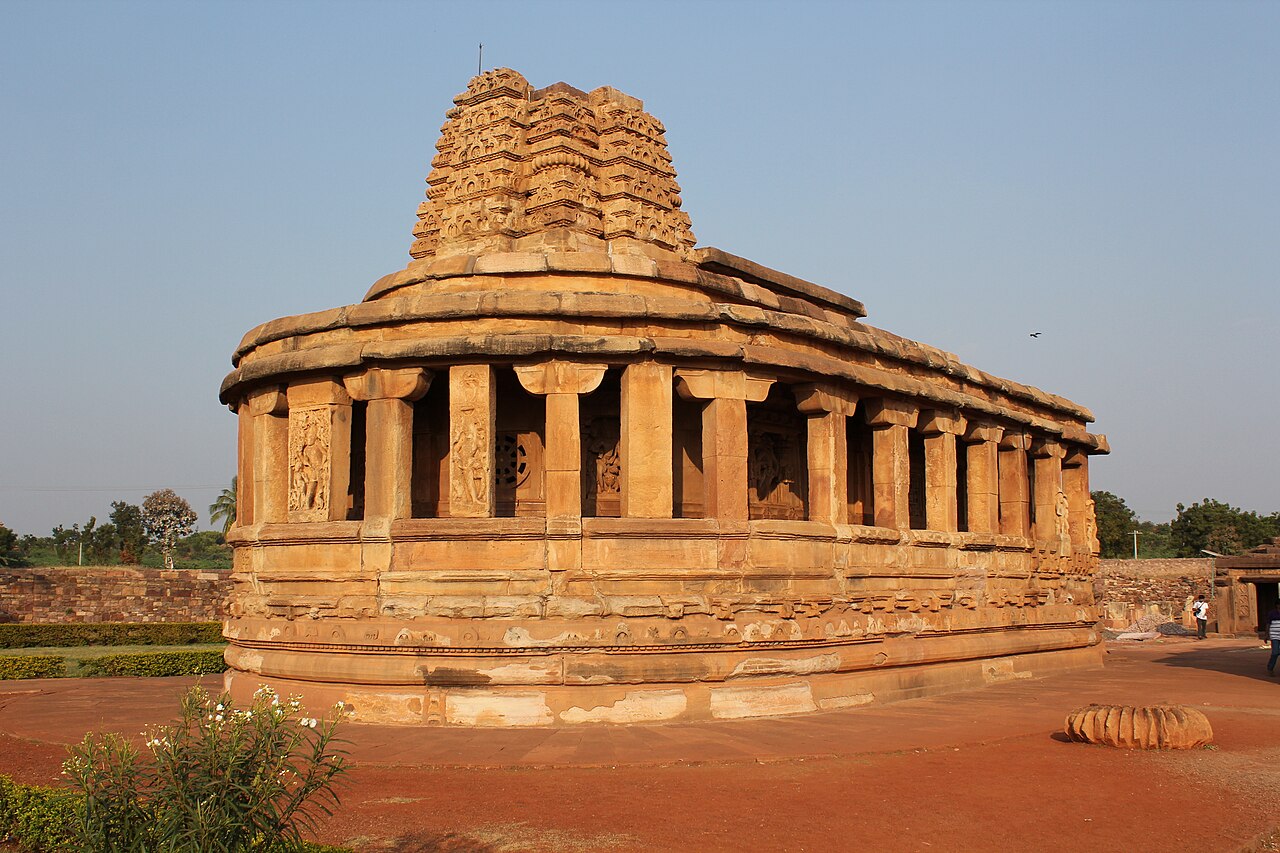
Aihole Temple Complex
Cradle of Indian temple architecture
Calm· 6%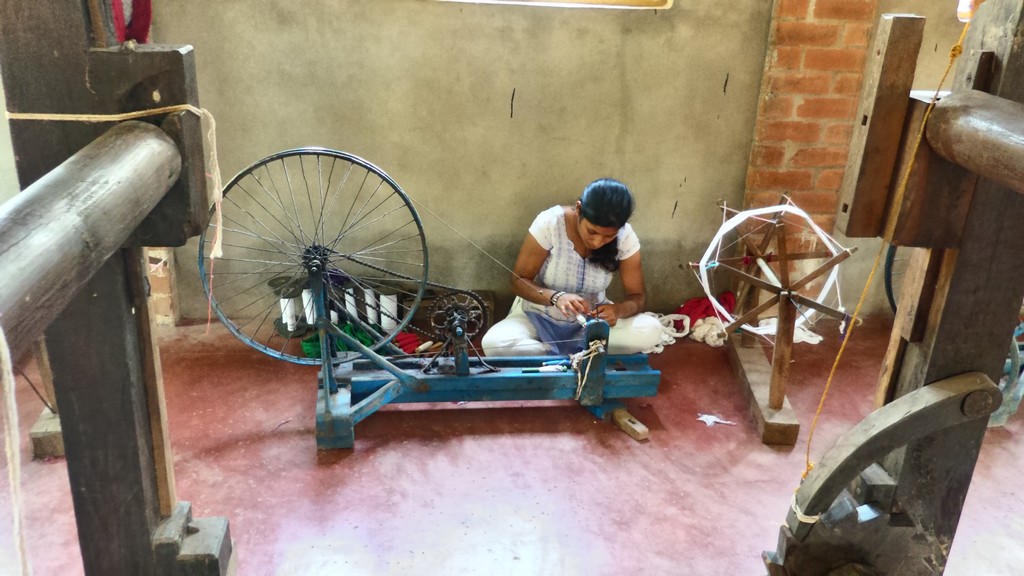
Guledgudda Khana Weavers
Home of the shimmering khana blouse fabric
Calm· 2%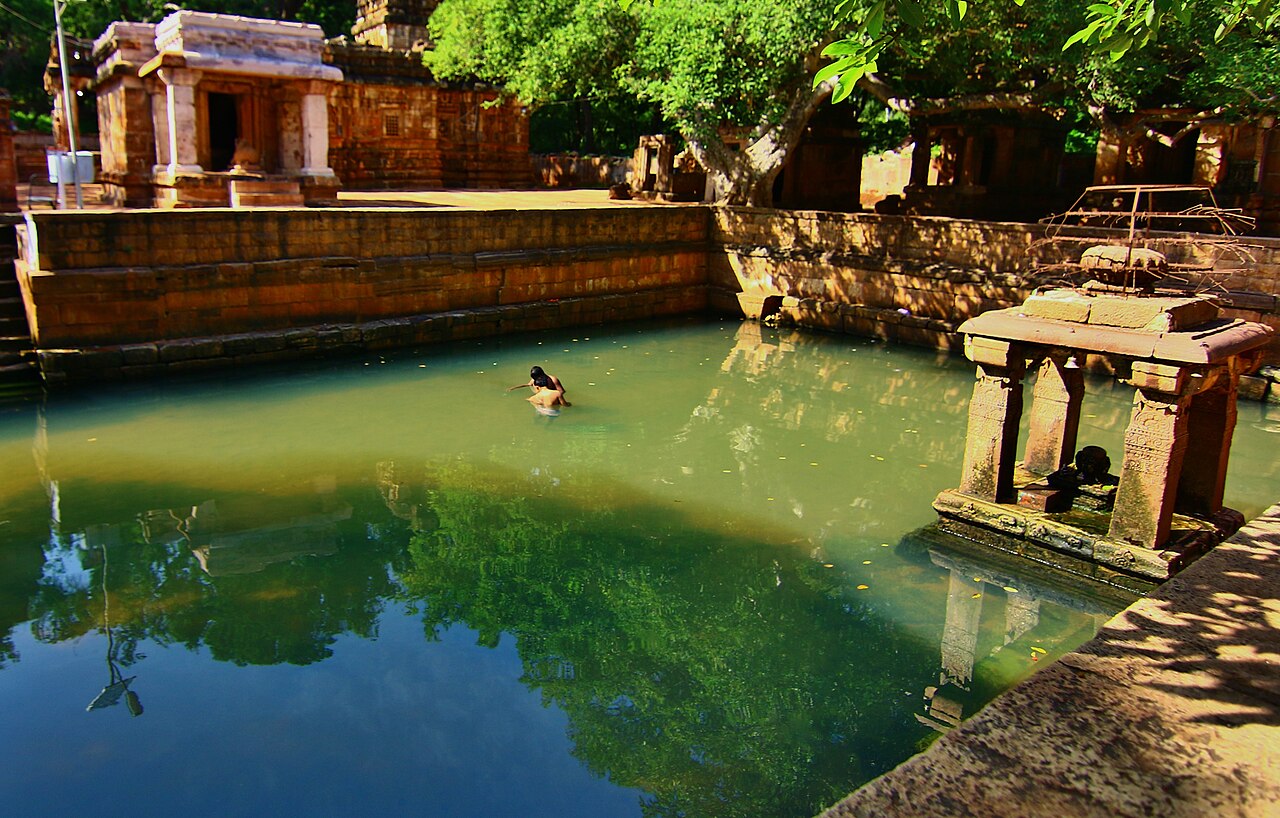
Mahakuta Group of Temples
Chalukya shrines around a living spring-fed tank
Calm· 3%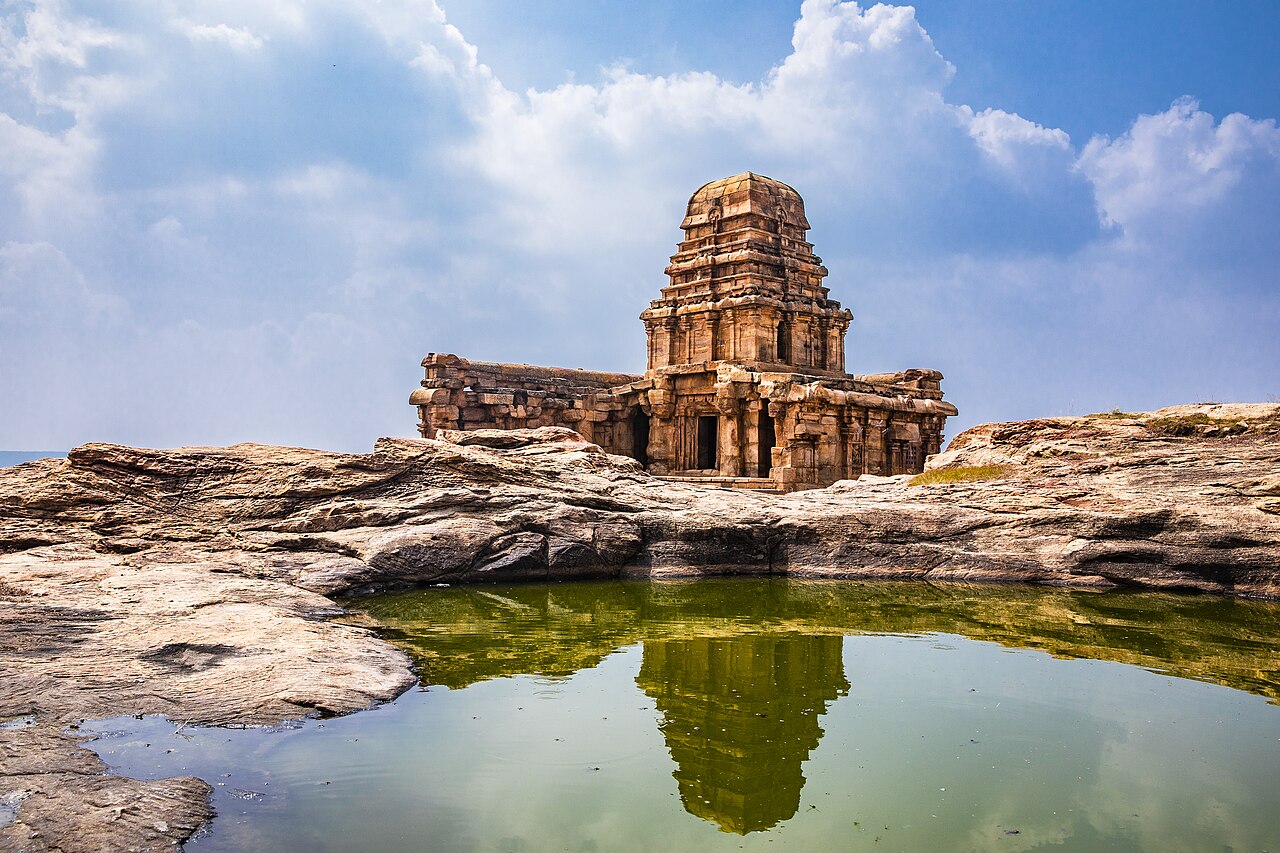
Badami North Fort and Shivalayas
Ancient temples crowning Badami's rocky citadel
Calm· 4%Sources (8)
- https://aims.vmis.in/caa-exhibitions/exhibition/goddess-lajja-gauri-in-indian-art/
- https://en.wikipedia.org/wiki/Aihole
- https://www.academia.edu/31935781/Creating_Religious_Identity_Archaeology_of_Early_Temples_in_the_Malaprabha_Valley
- https://karnatakatravel.blogspot.com/2012/02/siddanakolla-siddhankal.html
- https://karnatakatravel.blogspot.com/2012/03/haalsiddeshwara-fort-siddanakolla.html
- https://www.onefivenine.com/india/villages/Bagalkot/Hungund/Siddanakolla
- https://zenodo.org/records/17296786
- https://nominatim.openstreetmap.org/search?q=Siddanakolla&format=json