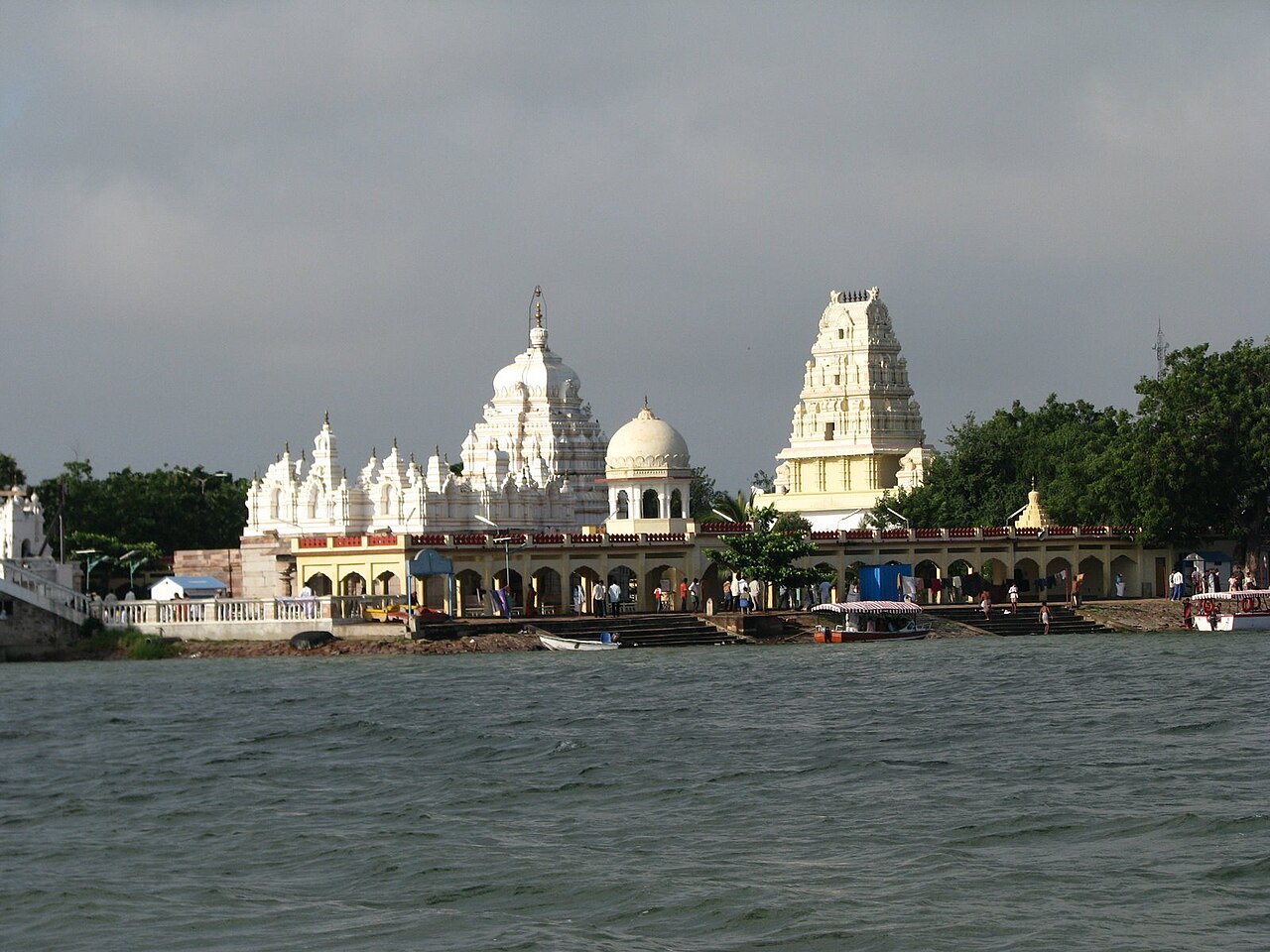
Kudalasangama
Where two rivers meet and Basavanna rests
📷 Mankalmadhu at English Wikipedia · Public domain · Wikimedia Commons
The story
Welcome to Kudalasangama, where the Krishna and the Malaprabha rivers meet and flow on together towards Srisailam. For Lingayats and for every admirer of Basavanna, this is a very special place. As a young man, Basavanna spent about twelve years studying here at the Sangameshwara temple, then a centre of Shaiva learning. Later, as a minister in the court of the Kalachuri king Bijjala, he spoke for equality and the dignity of work, famously teaching that work is worship, Kayakave Kailasa. His vachanas, simple Kannada poems, end with the name Kudala Sangama Deva, the lord of this very confluence. Basavanna passed away here, and his samadhi is honoured at the Aikya Mantapa. After the Almatti dam raised the waters, the shrine was protected by a round wall with steps leading down to it. Stand by the river at sunset and feel the calm.
Crowd forecast
Best time to visit: 6 AM, 7 AM
Estimated from day, hour, season, holidays & festivals, blended with live visitor reports.
How crowded is it right now?
Rate 1 to 10 — 1 is almost empty, 10 is packed.
Plan your visit
Timings
6:00 AM – 6:00 PM (approx.)
Entry
Free
Typical visit
90 min
Best time
October to February, in the early morning or at sunset by the confluence. The Sharana Mela around 14 January and Basava Jayanti in April or May draw very large crowds. Summer afternoons are very hot.
Accessibility
Partly accessible · ~100 steps (approx.)
Campus paths and the Sangameshwara temple are largely level, but reaching the Aikya Mantapa means going down many steps inside the circular enclosure, roughly 100 by some accounts (approx.). Lodging is available on the campus.
Key facts
- Kudalasangama lies at the confluence of the Krishna and Malaprabha rivers in Hungund taluk, Bagalkote district; the combined river flows east towards Srisailam in Andhra Pradesh.
- It is about 15 km from the Almatti Dam and about 19 km from Hungund (approx.).
- The Aikya Mantapa is the samadhi of Basavanna, the 12th-century philosopher, poet and social reformer revered by Lingayats, together with a linga believed to be self-born (swayambhu).
- After the Almatti Dam was built, the Aikya Mantapa, which has four Chalukya-era pillars, was enclosed by a protective cylindrical wall with steps to guard it from the backwaters.
- Basavanna studied for about twelve years at the Sangameshwara temple here, then a Shaiva school of learning.
- The Sangameshwara (Sangamanatha) temple is built in the Chalukya style; inscriptions at the site are dated 1160 CE and 1213 CE.
- Basavanna served as chief minister and treasury administrator of the Kalachuri king Bijjala and founded the Anubhava Mantapa, a public assembly for spiritual and social discussion.
- Basavanna's Kannada vachanas carry the signature (ankita) Kudala Sangama Deva, the deity of this confluence.
- His best-known teaching is Kayakave Kailasa, meaning work is worship.
- The site is managed by the Kudala Sangama Development Board and includes a Sabha Bhavana auditorium seating about 6,000 people (approx.).
- The annual Sharana Mela, organised by the Basava Dharma Peetha around Makara Sankranti (about 14 January), was first held in 1988.
- Basava Jayanti, Basavanna's birth anniversary, falls in April or May.
Artisans nearby
Hidden gems nearby
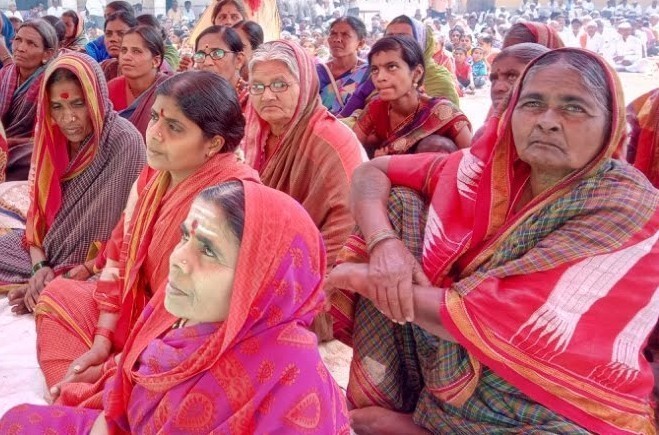
Ilkal Saree Weavers
Where the famous red pallu is woven
Calm· 3%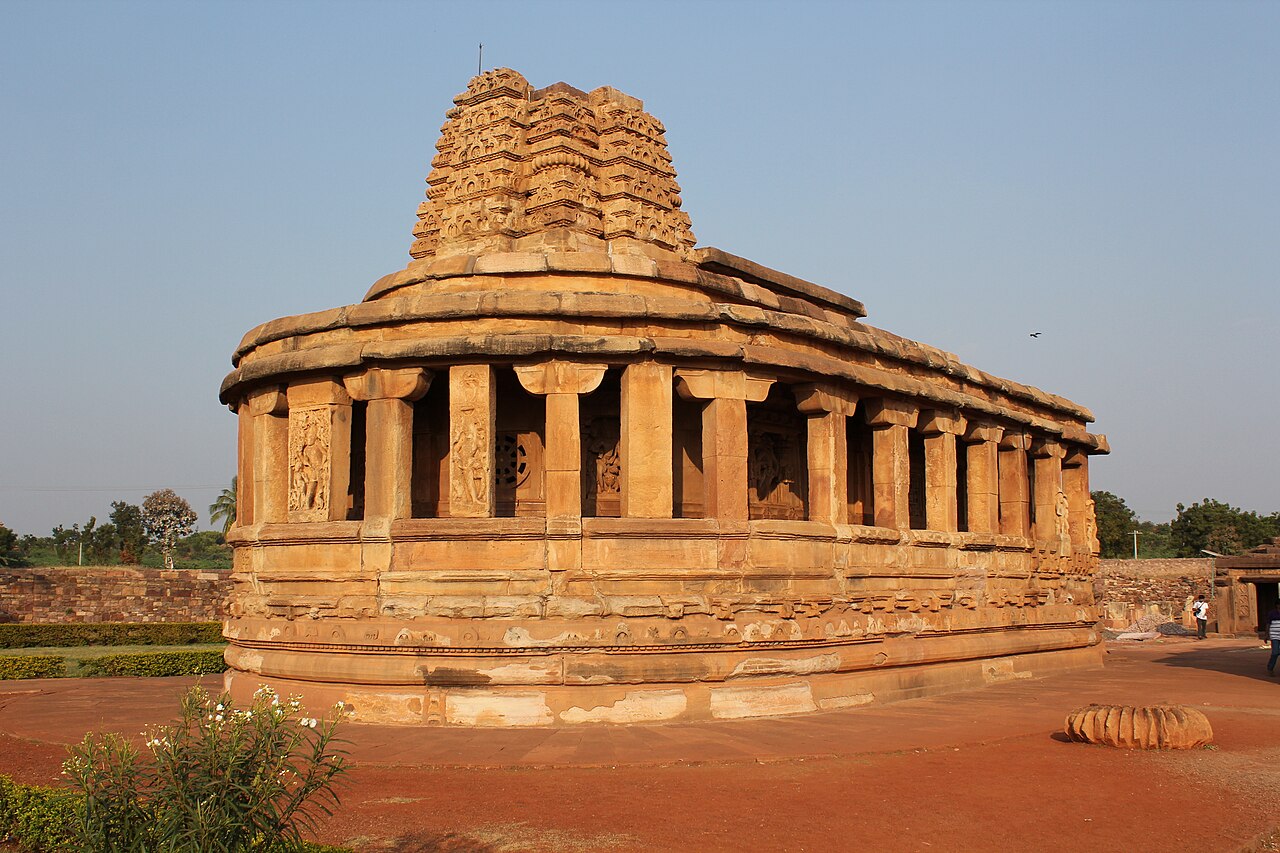
Aihole Temple Complex
Cradle of Indian temple architecture
Calm· 6%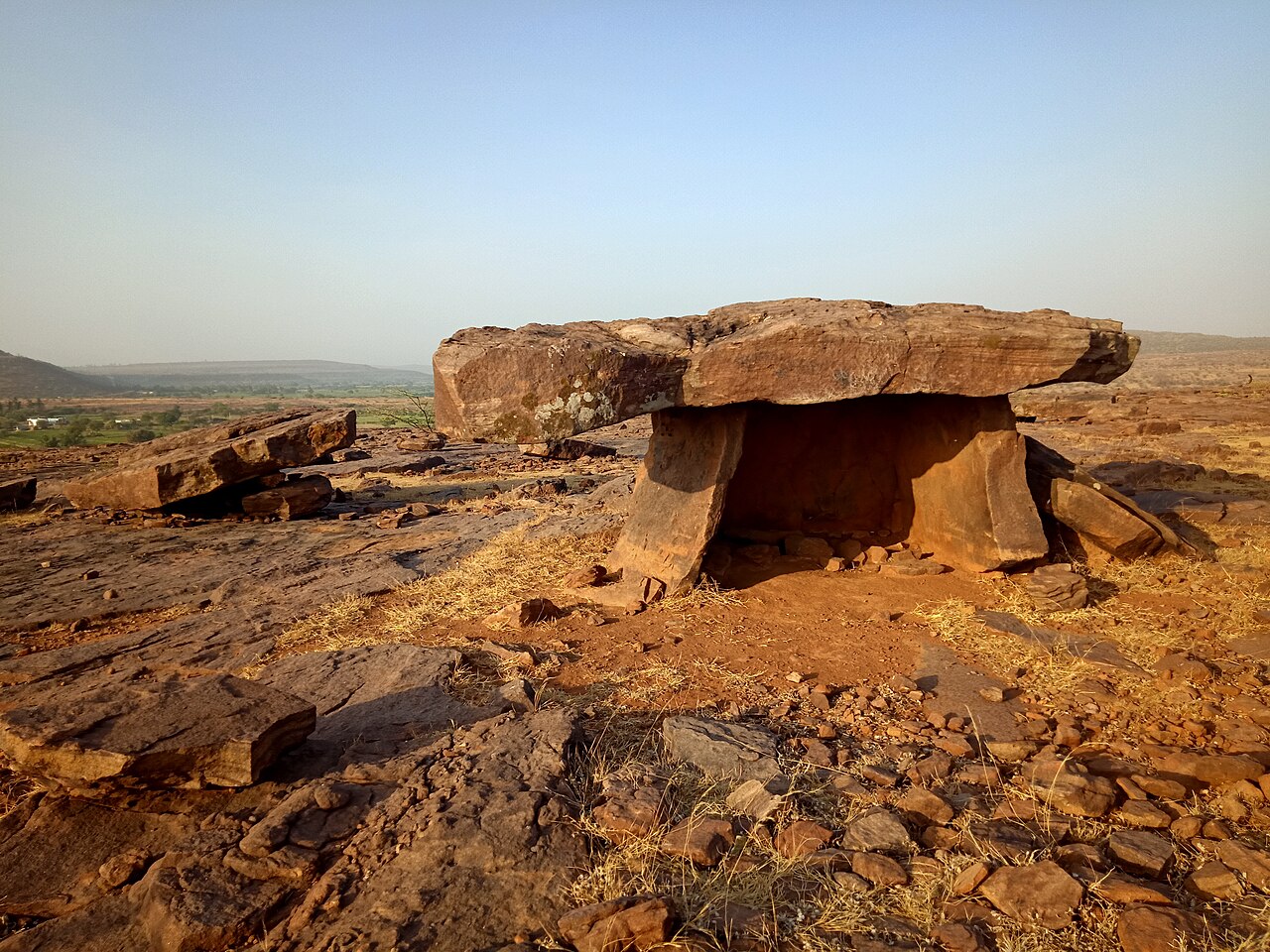
Siddhanakolla
A hidden rocky valley of springs and saints
Calm· 2%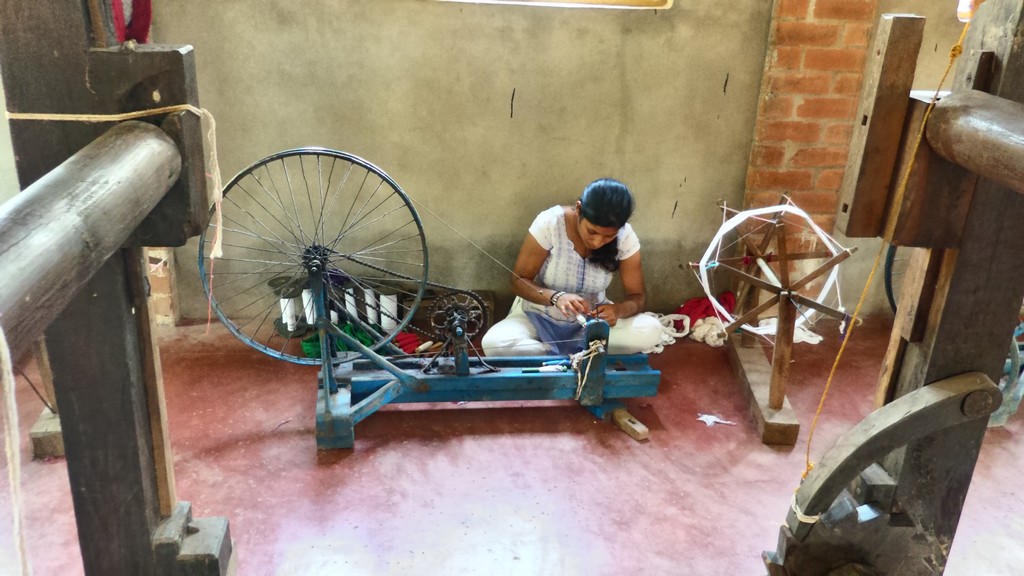
Guledgudda Khana Weavers
Home of the shimmering khana blouse fabric
Calm· 2%Sources (6)
- https://en.wikipedia.org/wiki/Kudalasangama
- https://en.wikipedia.org/wiki/Basava
- https://bagalkot.nic.in/en/tourist-place/kudalasangama/
- https://karnatakatourism.org/en/attractions/kudalasangama
- https://www.incredibleindia.gov.in/en/karnataka/vijayapura/kudala-sangama
- https://lingayatreligion.com/SharanaMela.htm