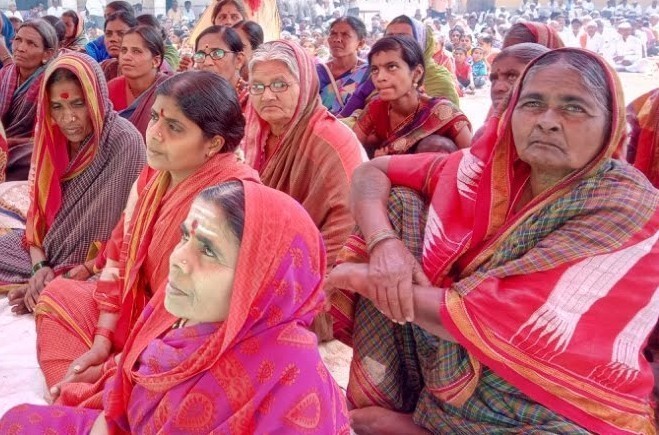
Ilkal Saree Weavers
Where the famous red pallu is woven
📷 T B Dinesh · CC0 · Wikimedia Commons
The story
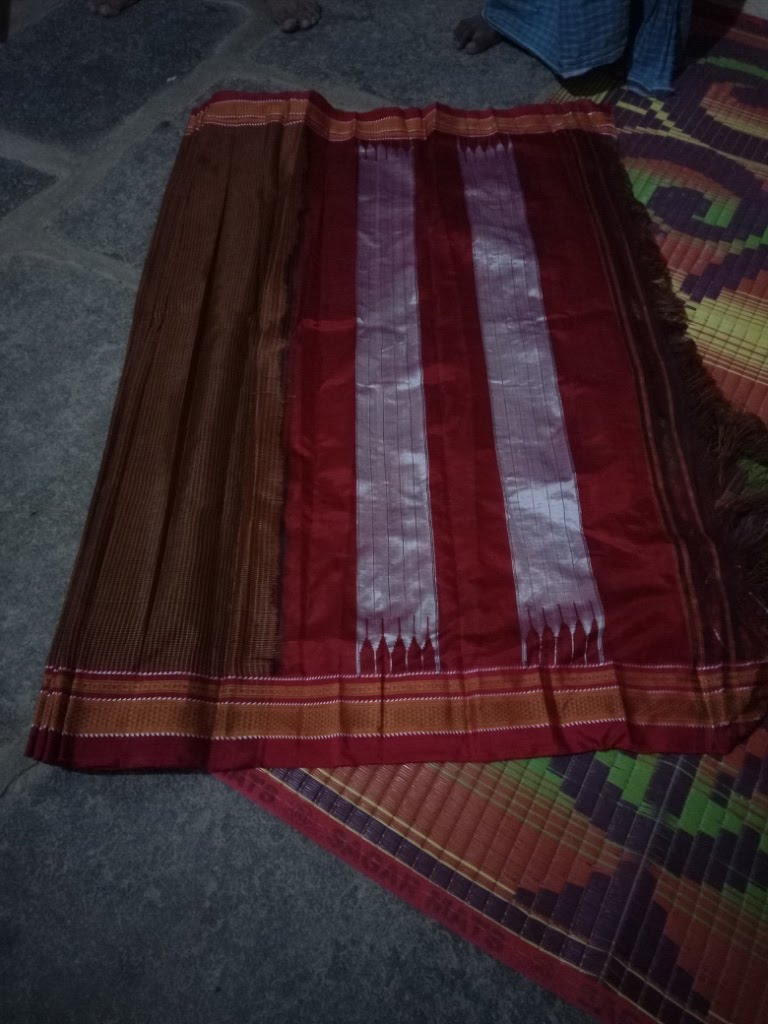
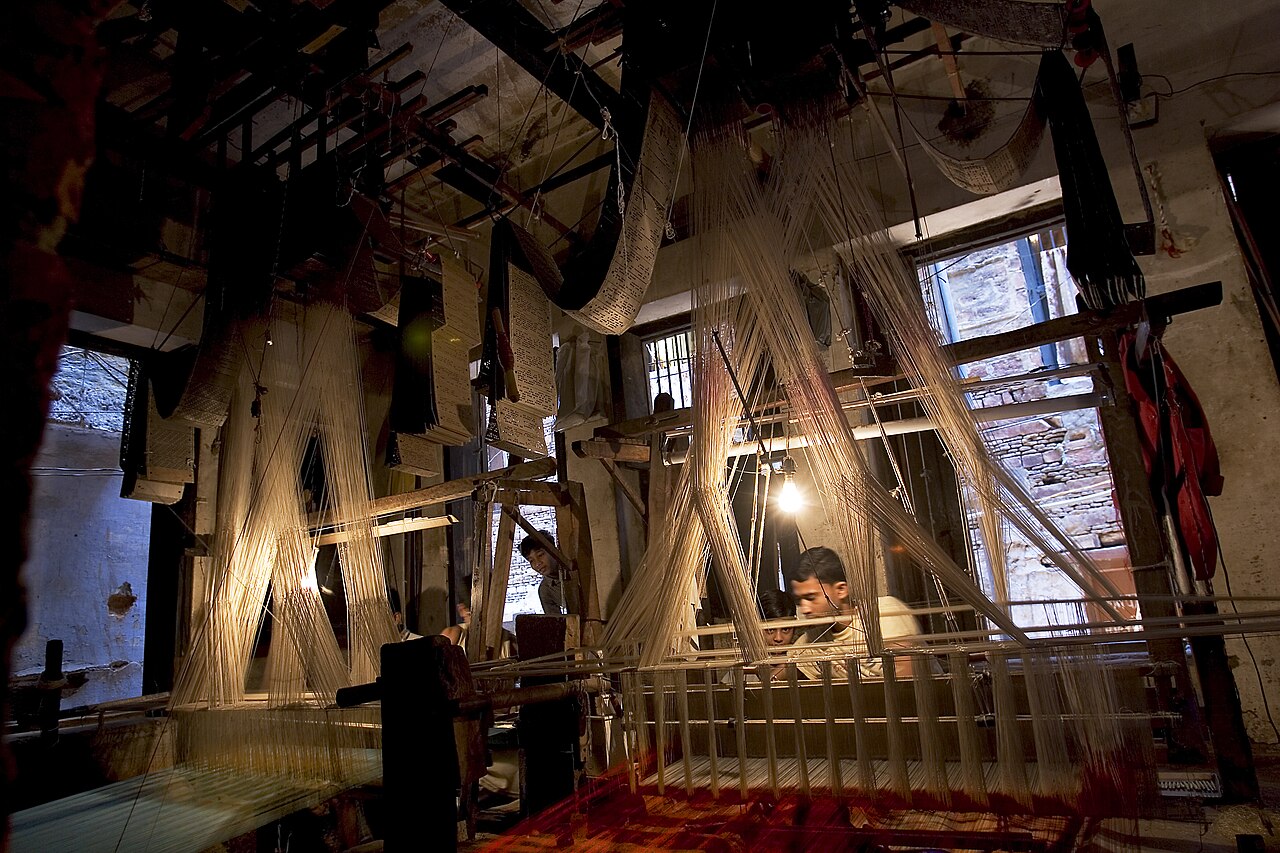
Welcome to Ilkal, a busy town famous across North Karnataka for its sarees. The Ilkal saree received a Geographical Indication tag in 2007, and its secret is a technique called tope teni. The warp threads of the cotton body and of the silk pallu are joined with a series of interlocking loops, so the pallu is not stitched on but interlocked with the body. Look for the classic pallu, usually red silk with white patterns that recall temple towers, and borders woven with the kondi method, where three shuttles create a solid coloured edge. Traditional colours include pomegranate red, peacock green and parrot green, and some sarees carry kasuti embroidery of elephants, palanquins and lotuses. Records from 1883 already counted six hundred and eighty four looms here. Please ask before photographing weavers at work, and buying directly supports their craft.
Crowd forecast
Best time to visit: 6 AM, 7 AM, 8 AM
Estimated from day, hour, season, holidays & festivals, blended with live visitor reports.
How crowded is it right now?
Rate 1 to 10 — 1 is almost empty, 10 is packed.
Plan your visit
Timings
Weaving units generally work in the daytime, roughly 9:00 AM – 6:00 PM (approx.); hours vary by household and shop
Entry
Free to visit; sarees are sold at shop prices
Typical visit
90 min
Best time
October to March, on weekday mornings or early afternoons when the looms are running; avoid the hot middle of the day in April and May.
Accessibility
Partly accessible · ~2 steps (approx.)
Weaving happens in homes and small units along narrow, busy lanes; some pit looms sit below floor level and spaces are cramped. Showrooms on the main roads are easier to access. Parking is limited to the roadside.
Key facts
- Ilkal Sarees is a registered Geographical Indication: application no. 76 was filed on 16 October 2006 and certificate no. 43 was issued on 24 September 2007.
- The GI application was filed by Karnataka's Commissioner for Textile Development and Director of Handlooms and Textiles.
- The signature tope teni technique joins the warp of the saree body to the warp of the pallu with a series of interlocking loops, and is described as used exclusively at Ilkal.
- The kondi technique inserts the weft using three shuttles to produce a solid-coloured border.
- The body is typically woven with cotton (and viscose or art silk) yarn, while the pallu uses pure silk or art silk.
- The classic pallu is red silk with white patterns evoking temple towers; in the tope teni seragu design, three solid red bands alternate with two white bands.
- Traditional border types include Gomi (also called Ilkal dadi), Paraspet (Chikki paras and Dodd paras) and Gaadi.
- Traditional colours include pomegranate red, peacock green and parrot green; a shade called Giri Kumkum is used for bridal sarees.
- Some Ilkal sarees carry Kasuti embroidery with motifs such as palanquins, elephants and lotuses.
- The Bombay Presidency Gazetteer (1884) recorded 684 looms at Ilkal in 1883; local tradition places the start of weaving here in the 8th century.
- Ilkal sarees are made in lengths such as 6, 8 and 9 yards, and a handloom saree takes about a week to weave (approx.).
- Ilkal town is also known for its pink granite industry.
Artisans nearby
Hidden gems nearby
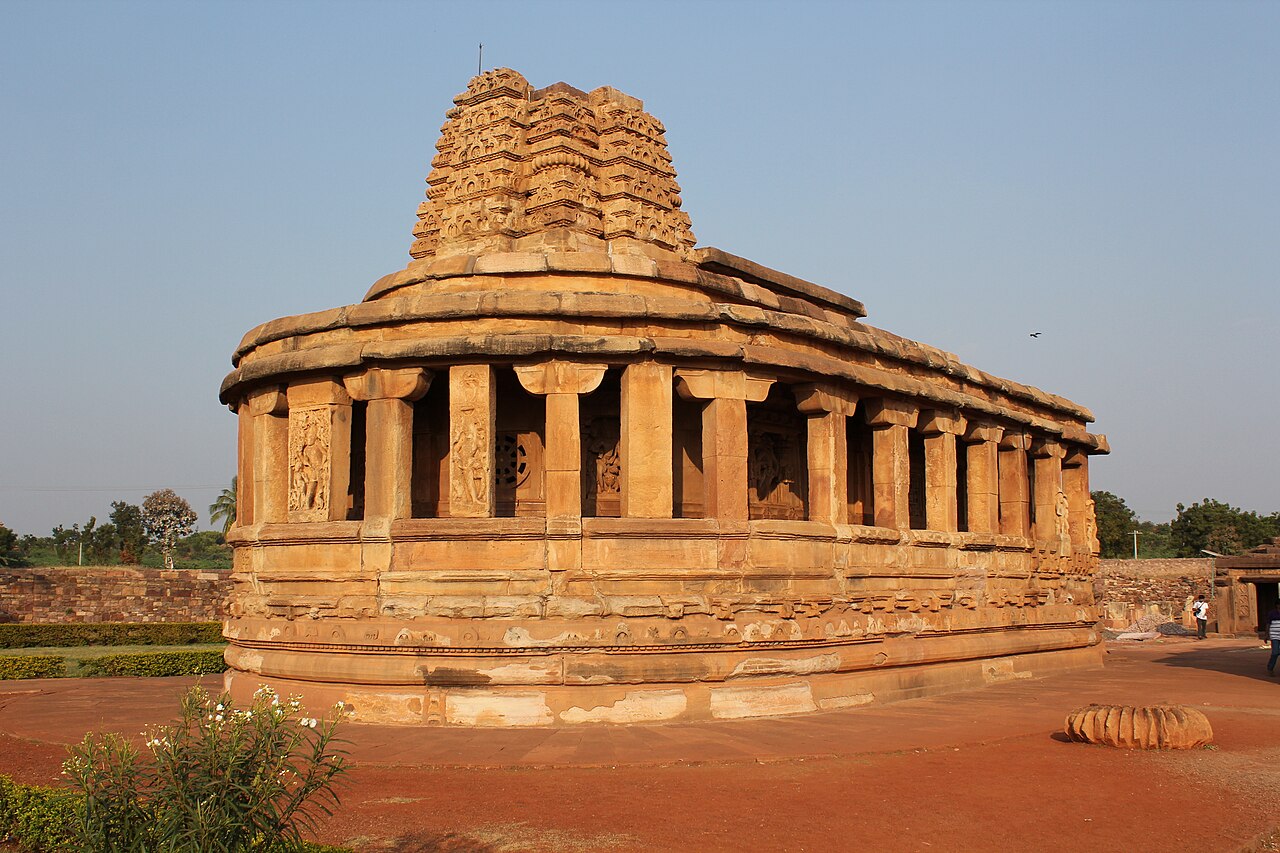
Aihole Temple Complex
Cradle of Indian temple architecture
Calm· 6%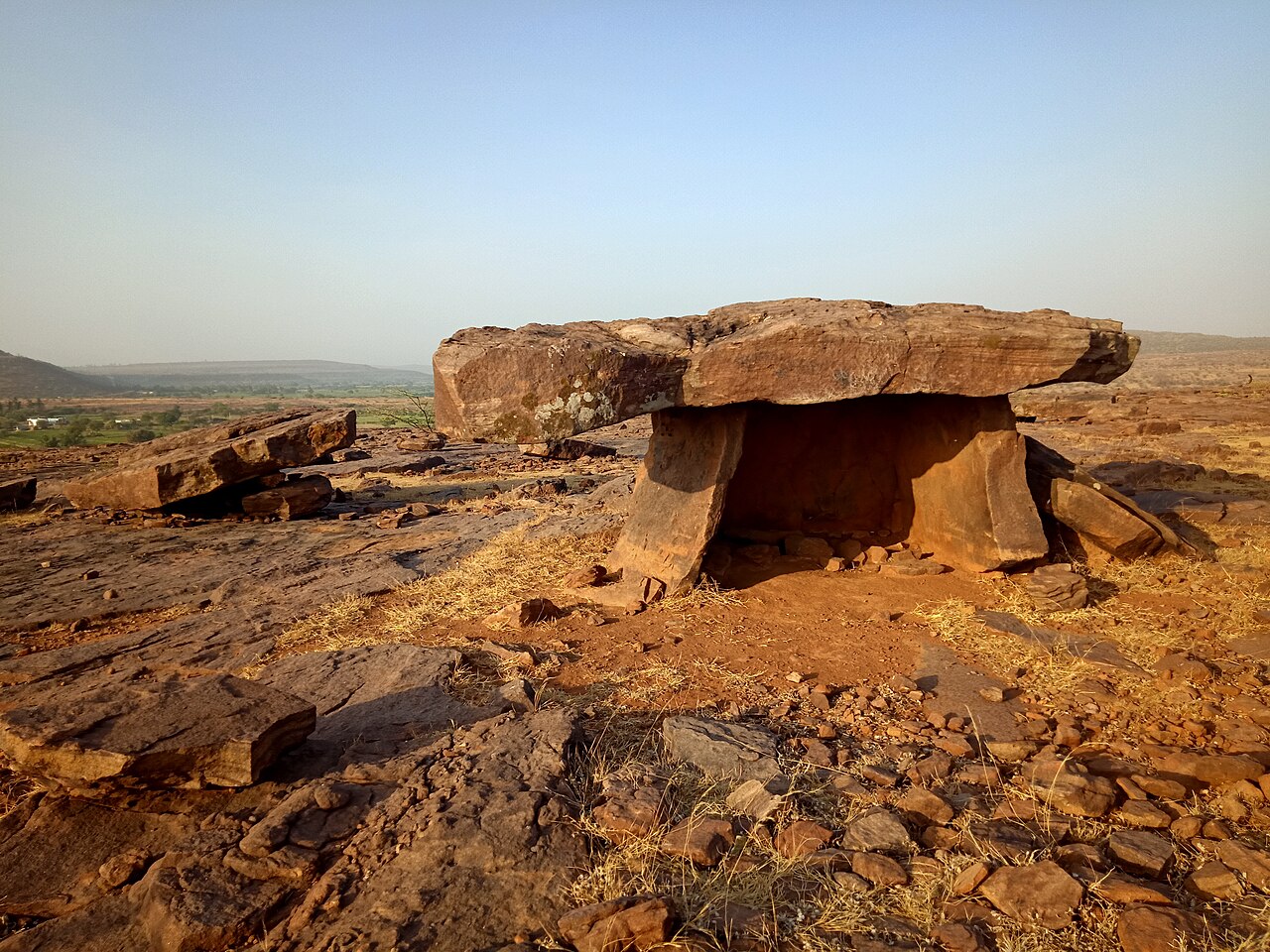
Siddhanakolla
A hidden rocky valley of springs and saints
Calm· 2%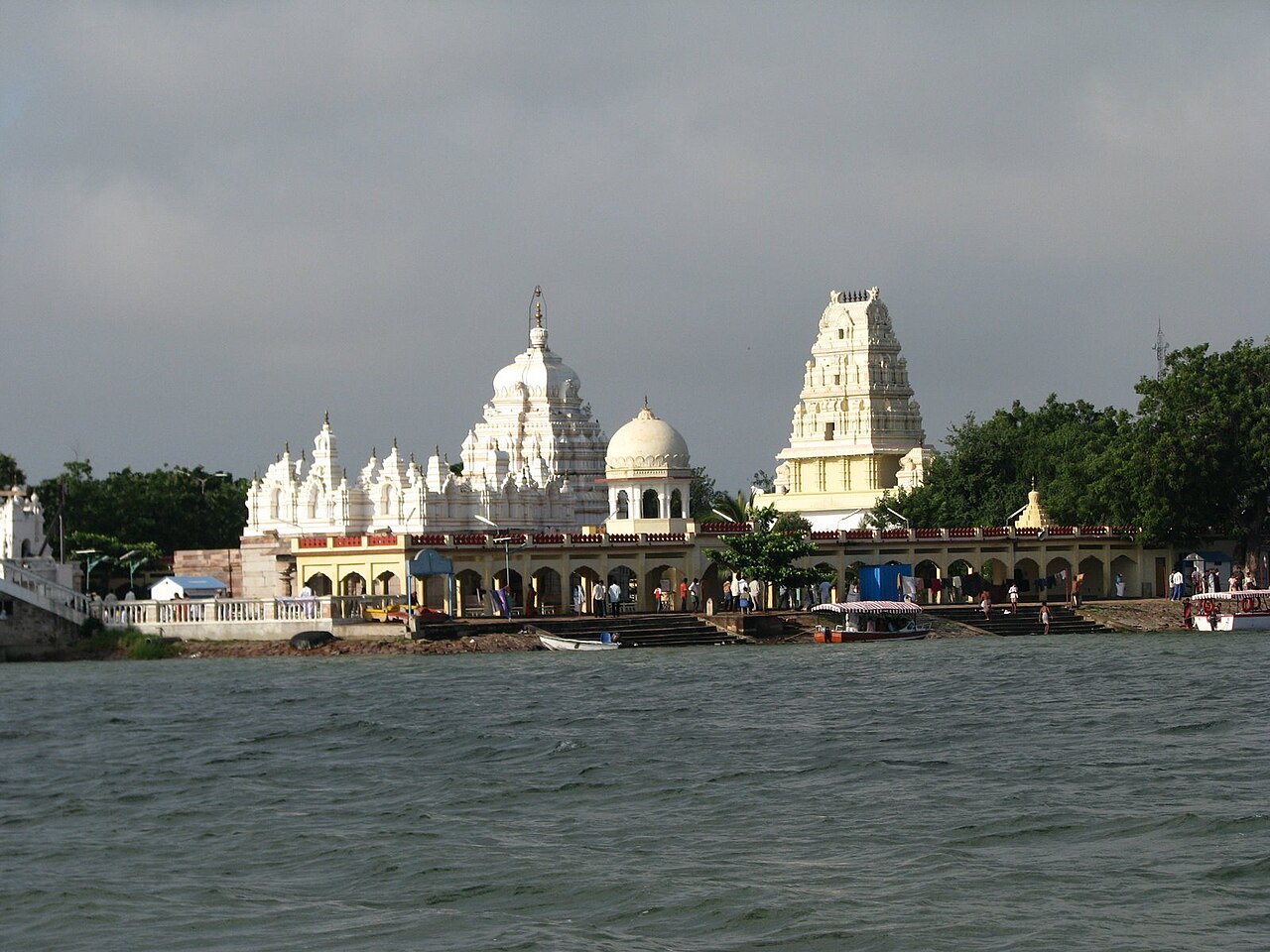
Kudalasangama
Where two rivers meet and Basavanna rests
Calm· 5%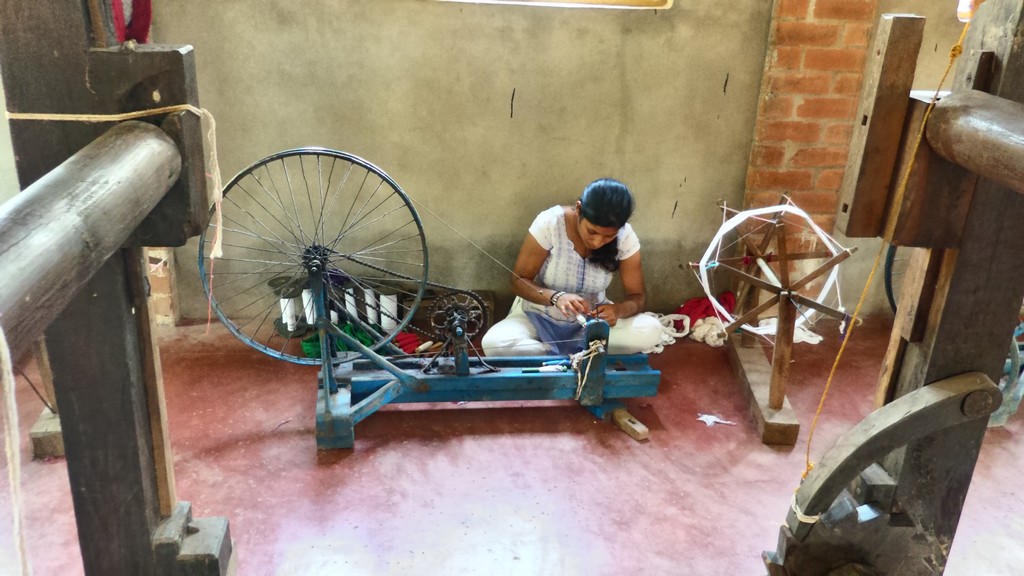
Guledgudda Khana Weavers
Home of the shimmering khana blouse fabric
Calm· 2%