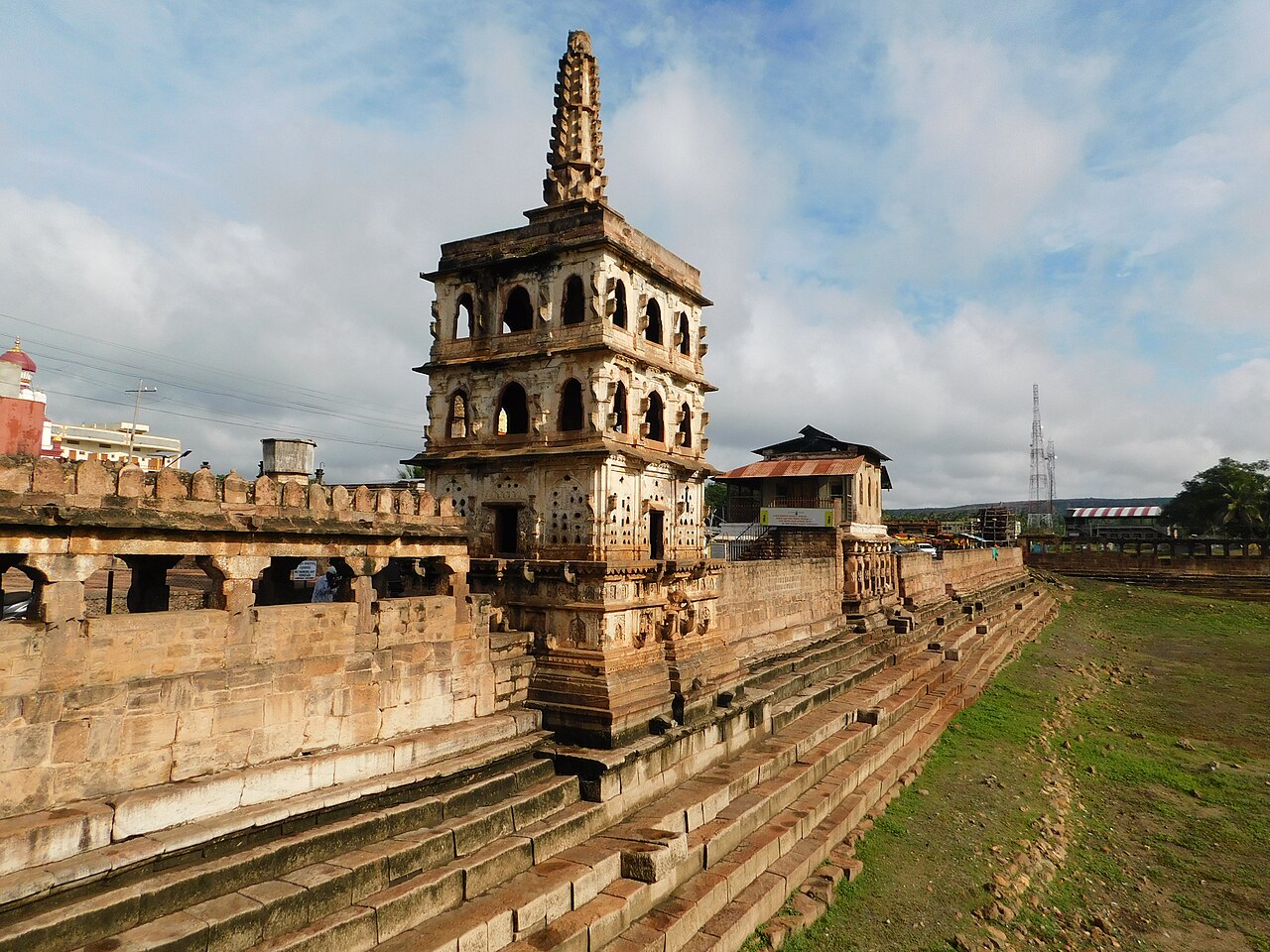
Banashankari Amma Temple
The forest goddess of the Chalukyas
📷 Jaisuvyas · CC BY-SA 4.0 · Wikimedia Commons
The story
Welcome to Banashankari, a goddess temple loved across North Karnataka. The name Vanashankari means Shankari of the forest. Inside, the goddess is carved in black stone, seated on a lion and pressing a demon under her feet, with eight arms. The Chalukya kings of Badami worshipped her as their family deity. Legends from the Puranas say she destroyed the demon Durgamasura, and another story says that during a famine she fed people with vegetables, which is why she is called Shakambhari. In front of the temple lies the Haridra Tirtha, a huge square tank with stone halls on three sides, and tall lamp towers stand nearby. Come in January or February for the jatre, when one hundred and eight vegetable dishes are offered to the goddess and a grand chariot is pulled on the full moon of Banada Hunnime.
Crowd forecast
Best time to visit: 6 AM
Estimated from day, hour, season, holidays & festivals, blended with live visitor reports.
How crowded is it right now?
Rate 1 to 10 — 1 is almost empty, 10 is packed.
Plan your visit
Timings
6:00 AM – 1:00 PM and 3:00 PM – 9:00 PM (approx.)
Entry
Free (offerings and sevas optional)
Typical visit
45 min
Best time
October to March, on weekday mornings for a calmer darshan. The Banashankari Jatre in January–February, peaking on Banada Hunnime, is spectacular but very crowded; Navaratri in September–October is also festive.
Accessibility
Easy access · ~5 steps (approx.)
Mostly level temple courtyard with a few steps at the sanctum; queues can be long and crowded at festivals. Stone steps lead down into the tank. Step count is an estimate.
Key facts
- The temple stands at Cholachagudda, about 5 km from Badami in Bagalkote district.
- The goddess Banashankari, also called Shakambhari and Vanashankari, is worshipped as a form of Parvati; Vanashankari combines vana (forest) and Shankari, and the shrine is traditionally placed in the Tilakaranya forest.
- The black stone idol shows the eight-armed goddess seated on a lion, trampling a demon under her feet.
- The goddess was the tutelary (family) deity of the Chalukyas of Badami, and the original shrine is traced to the 7th century.
- The present structure dates to 1750 and is attributed to the Maratha chieftain Parashuram Agale.
- In front of the temple is the Haridra Tirtha, a square tank described as about 360 feet (roughly 110 m) across, with stone mantapas on three sides.
- Deepa stambhas (lamp towers) stand at the temple entrance and on the west bank of the tank; one tower shows a Vijayanagara-era blend of Hindu and Islamic styles.
- Legend: the Skanda Purana and Padma Purana tell of the goddess slaying the demon Durgamasura; another legend says she fed people with vegetables during a famine, hence the name Shakambhari.
- The annual Banashankari Jatre begins on the 8th day of the lunar month Pushya (January–February) and continues for about three weeks, with the chariot festival (rathotsava) on the full moon, Banada Hunnime.
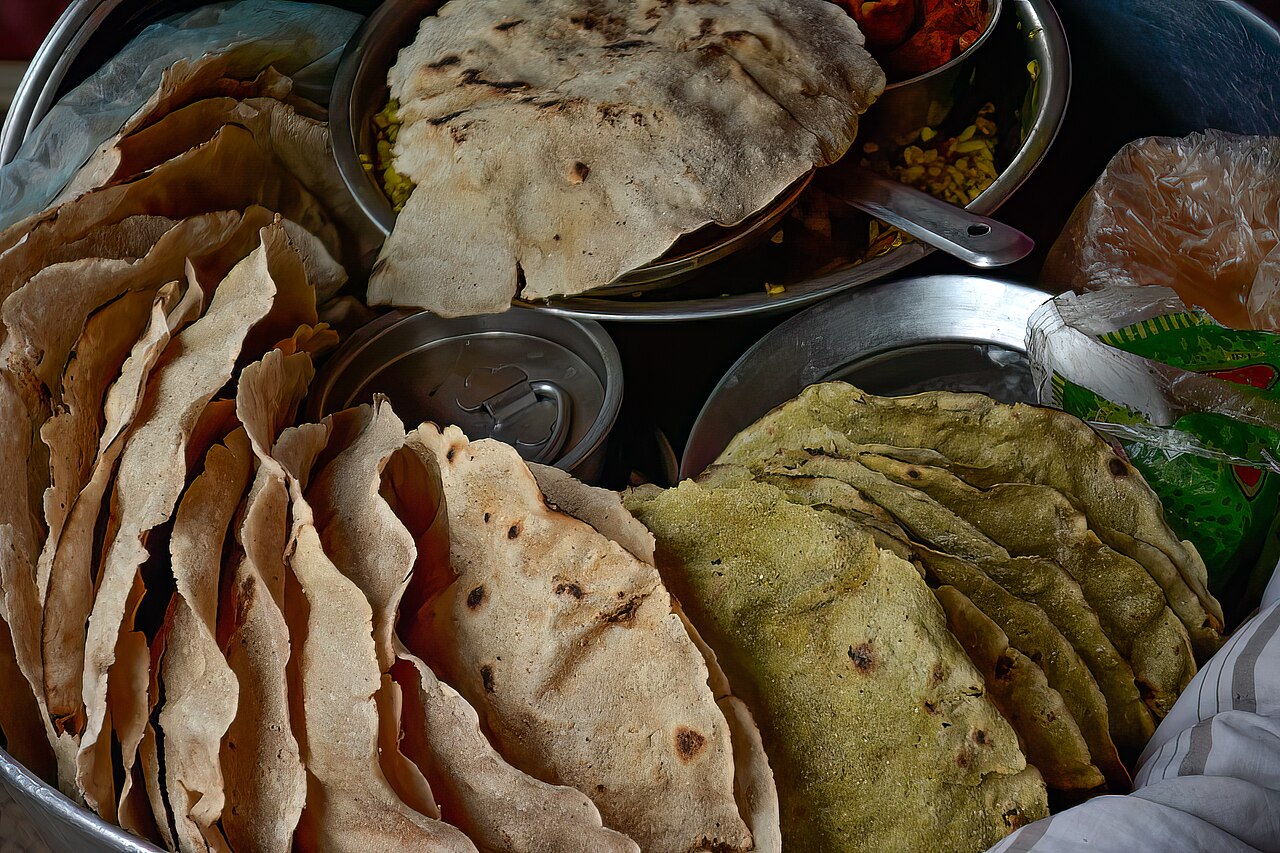
- At the start of the jatre, the Palleda Habba offers 108 vegetable dishes to the goddess, and a Teppotsava (float festival) is held on the tank.
- Navaratri and Dussehra are also celebrated at the temple.
- The goddess is the kuladevata of many families, including Devanga weaver communities and some Deshastha Brahmins.
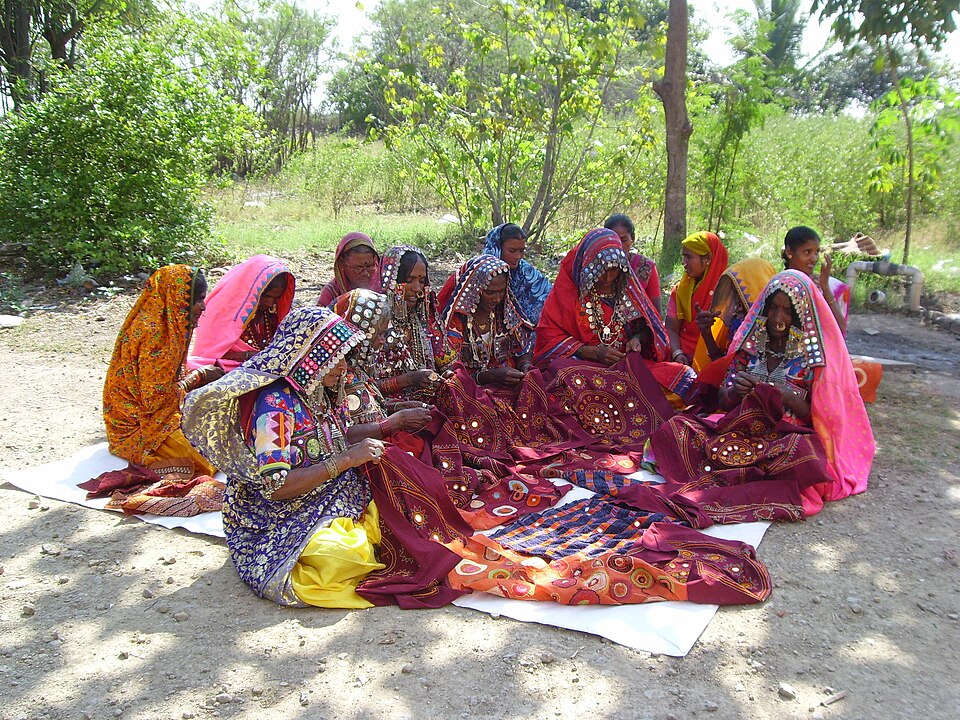
Artisans nearby
Hidden gems nearby
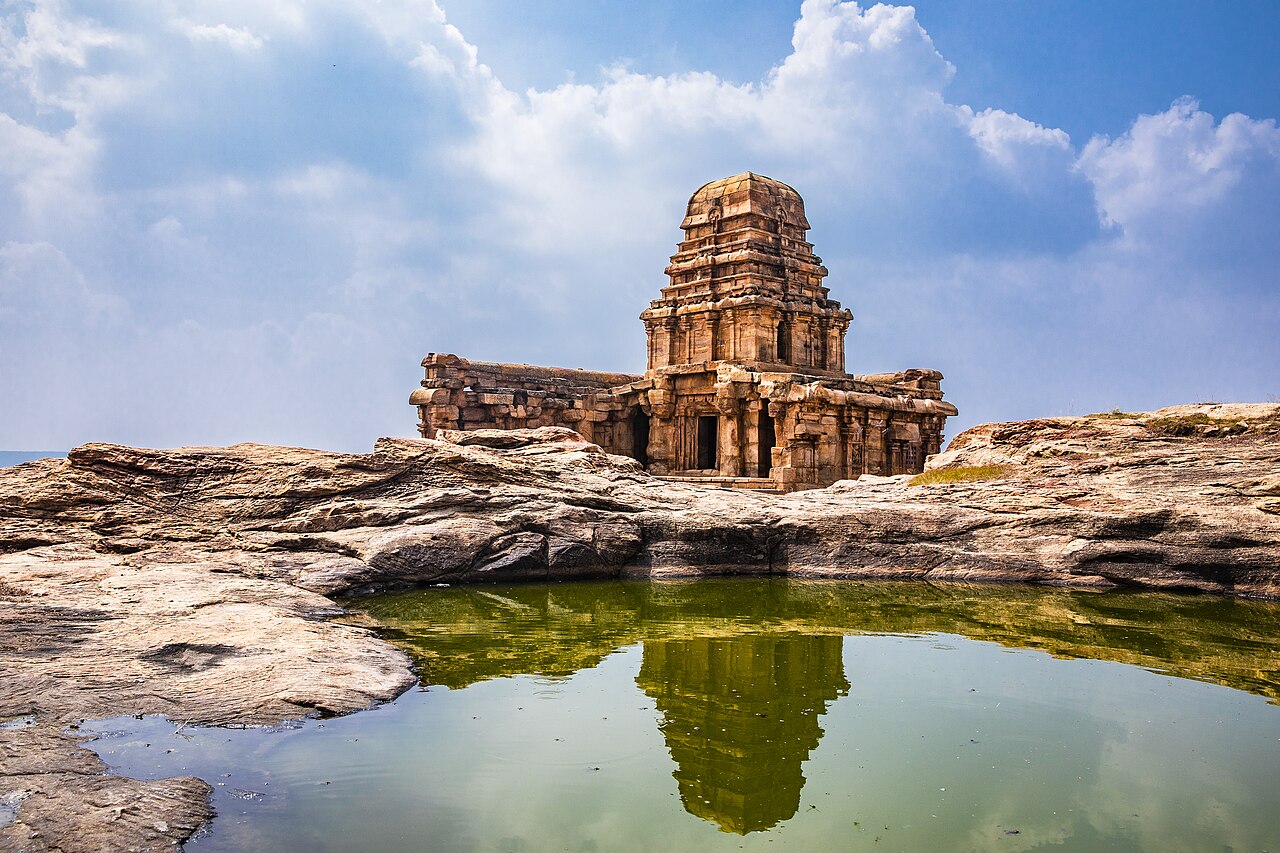
Badami North Fort and Shivalayas
Ancient temples crowning Badami's rocky citadel
Calm· 4%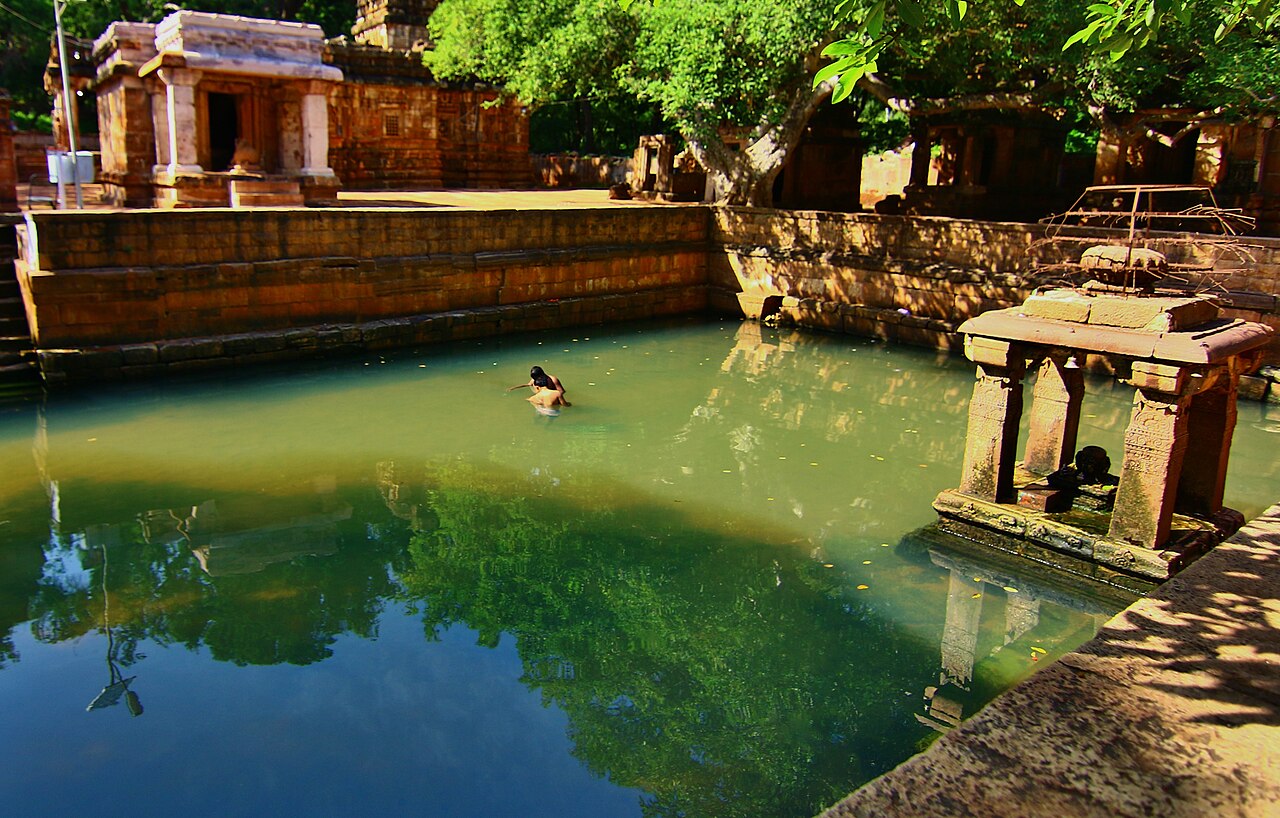
Mahakuta Group of Temples
Chalukya shrines around a living spring-fed tank
Calm· 3%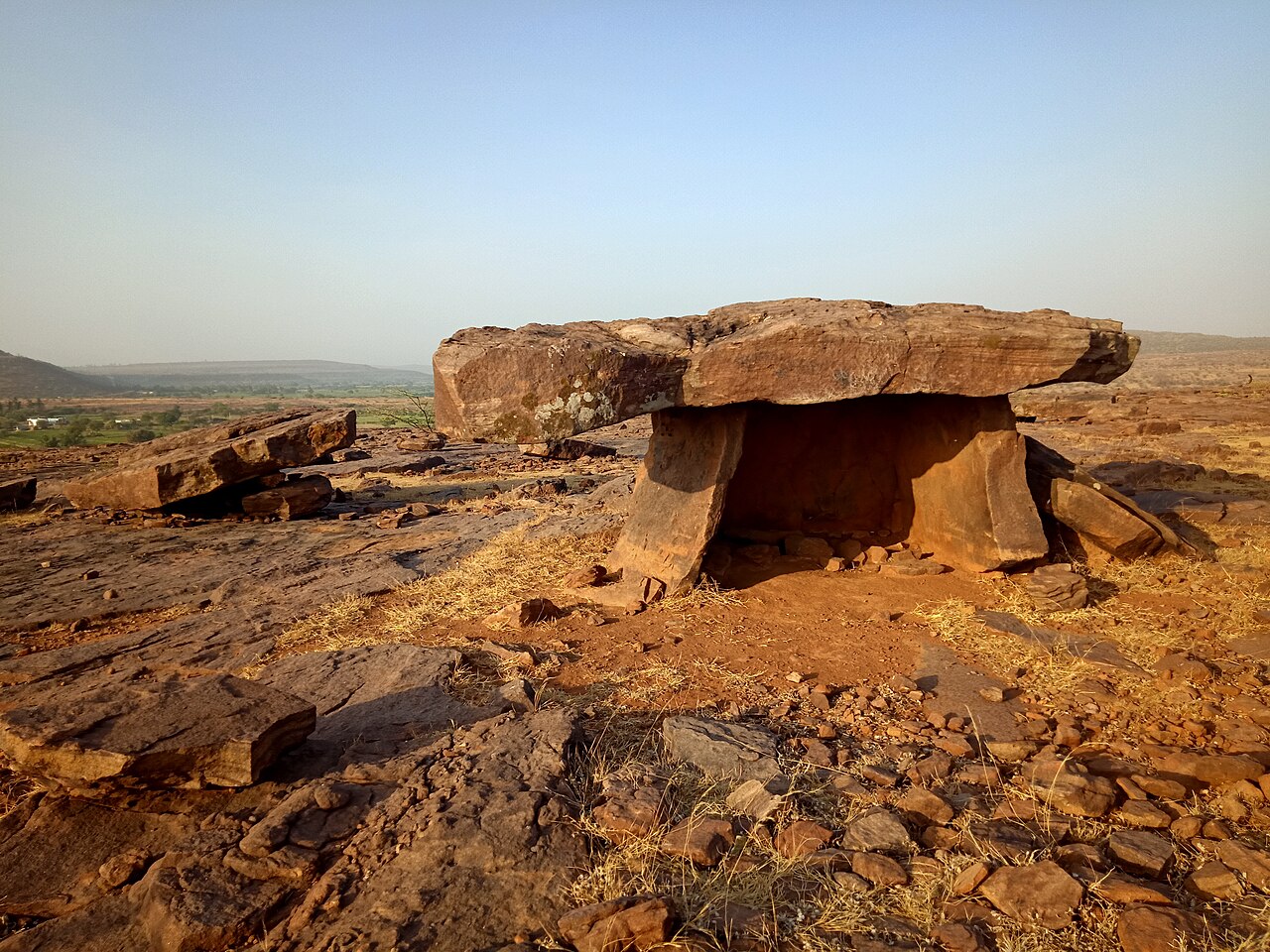
Siddhanakolla
A hidden rocky valley of springs and saints
Calm· 2%
Guledgudda Khana Weavers
Home of the shimmering khana blouse fabric
Calm· 2%