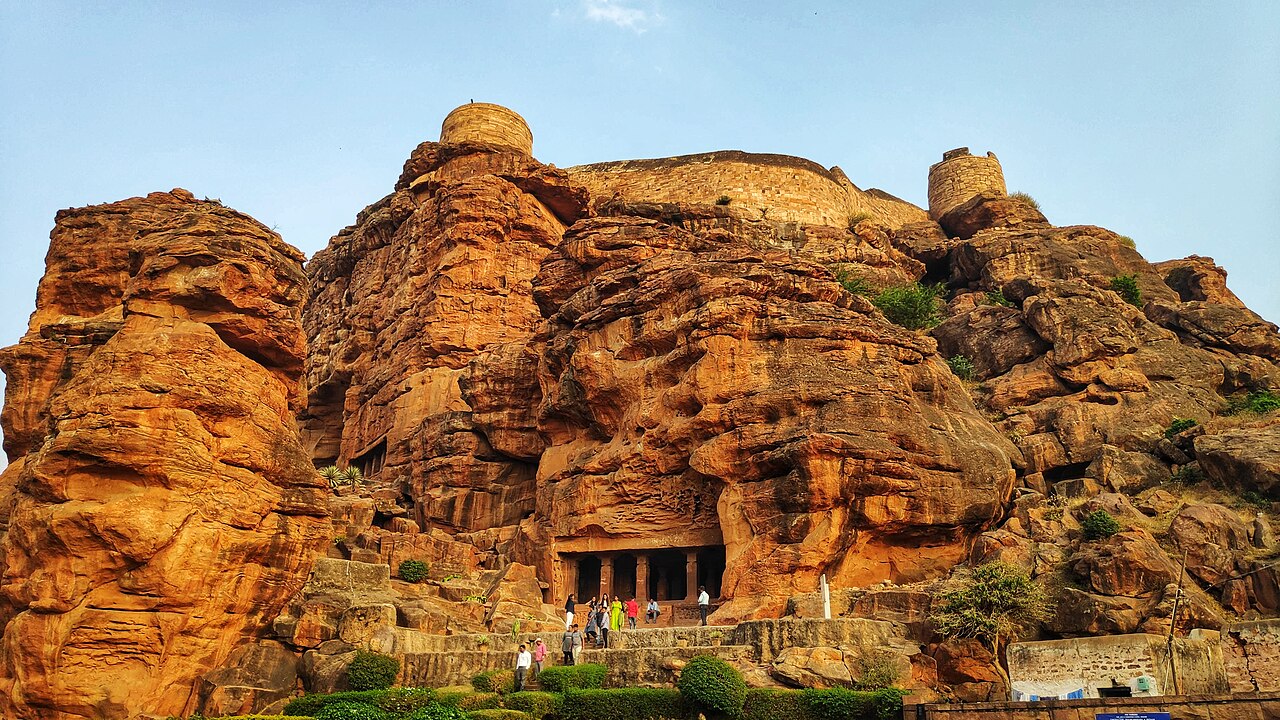
Badami Cave Temples
Gods carved into Vatapi's red sandstone cliffs
📷 Prasad V Patil · CC BY-SA 4.0 · Wikimedia Commons
The story
Welcome to Badami, the city the Chalukya kings once called Vatapi. Look up at that red sandstone cliff. About fourteen centuries ago, sculptors cut four temples straight into the living rock, with no bricks and no mortar, only chisels and patience. Step into Cave 1 and meet Shiva as Nataraja, dancing with eighteen arms. Nearby stands Harihara, half Shiva and half Vishnu, sharing one body. Climb higher to Caves 2 and 3, the realm of Vishnu. In Cave 3, the largest of all, Vishnu strides across the universe as Trivikrama and sits on the coils of the great serpent Shesha. An inscription here tells us that Mangalesha of the Chalukya family dedicated this cave in the year 578. Finally, Cave 4 welcomes you with calm Jain figures, including Bahubali, vines curling around his legs. Now turn around and enjoy the view of Agastya Lake below.
Crowd forecast
Best time to visit: 6 AM
Estimated from day, hour, season, holidays & festivals, blended with live visitor reports.
How crowded is it right now?
Rate 1 to 10 — 1 is almost empty, 10 is packed.
Plan your visit
Timings
6:00 AM – 6:00 PM, all days (approx.)
Entry
₹25 for Indian citizens and SAARC/BIMSTEC visitors, ₹300 for foreign nationals, children under 15 free (approx. ASI rates; Karnataka Tourism lists ₹40 / ₹600, so confirm at the counter)
Typical visit
90 min
Best time
October to February; early morning soon after opening for soft light and fewer crowds, or late afternoon
Accessibility
Difficult for wheelchairs · ~190 steps (approx.)
Steep, uneven stone staircases link the four caves, with roughly 60 or more steps between caves and no ramps or lifts. Cave 1 needs the fewest steps. Wheelchair users can view the cliff and the lake from the base. Take the steps slowly, carry water, wear good footwear, and keep food packed away because monkeys are common.
Key facts
- Badami, historically Vatapi, was the capital of the Early (Badami) Chalukya dynasty from about 540 to 757 CE.
- The four main caves are cut into the soft Badami sandstone escarpment of the hill south-east of the town, above Agastya Lake, and are linked by a stepped path with terraces.
- Cave 1 is dedicated to Shiva; its best-known relief is an 18-armed dancing Shiva (Nataraja), about 1.5 m (5 ft) tall.
- Cave 1 also has reliefs of Harihara (half Shiva, half Vishnu), Ardhanarishvara (half Shiva, half Parvati) and Durga as Mahishasuramardini.
- Cave 2 is dedicated to Vishnu, with large reliefs of Trivikrama and of Varaha rescuing the earth goddess Bhudevi; it is reached by 64 steps from Cave 1.
- Cave 3, about 60 steps above Cave 2, is the largest cave and is dedicated to Vishnu; its verandah is about 21 m (70 ft) long and the cave is cut about 15 m (48 ft) into the hill.
- An inscription in Cave 3 records its dedication by Mangalesha in Shaka year 500 (578/579 CE); it is the only one of the four caves with a precise date.
- Cave 3 preserves traces of painted ceiling panels, among the earliest surviving examples of coloured fresco painting in Karnataka.
- Cave 4 is a Jain cave from the later 7th century (some scholars suggest the 8th), with reliefs of Bahubali, Parshvanatha and Mahavira.
- The Badami monuments are on UNESCO's Tentative List (2015) as part of 'Evolution of Temple Architecture – Aihole-Badami-Pattadakal'; they are not yet a World Heritage Site.
- The caves are protected and managed by the Archaeological Survey of India (ASI).
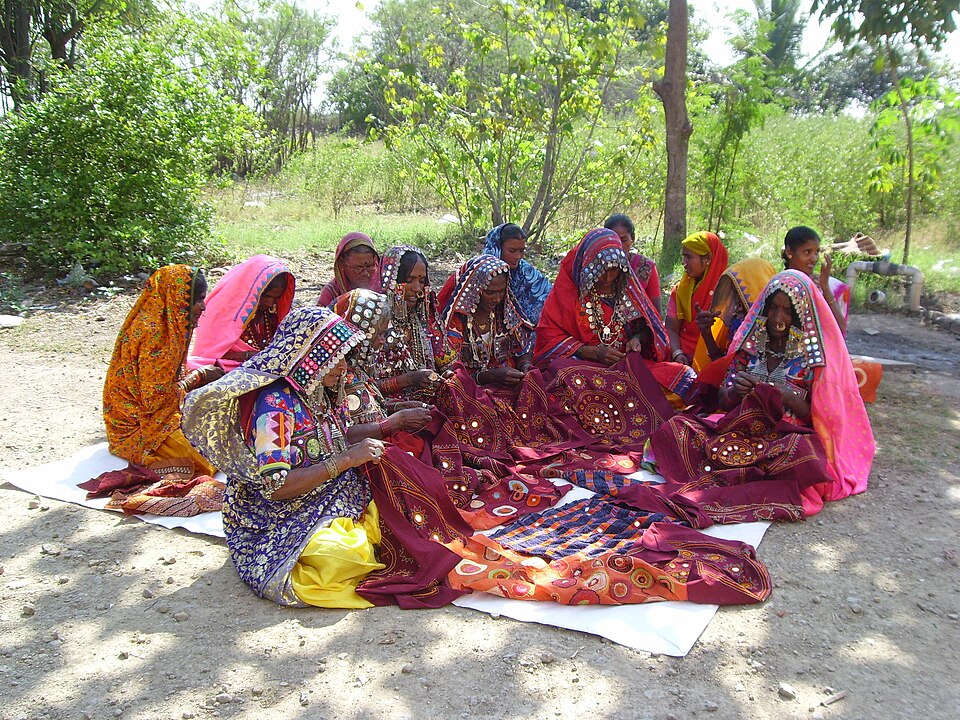
Artisans nearby
Hidden gems nearby
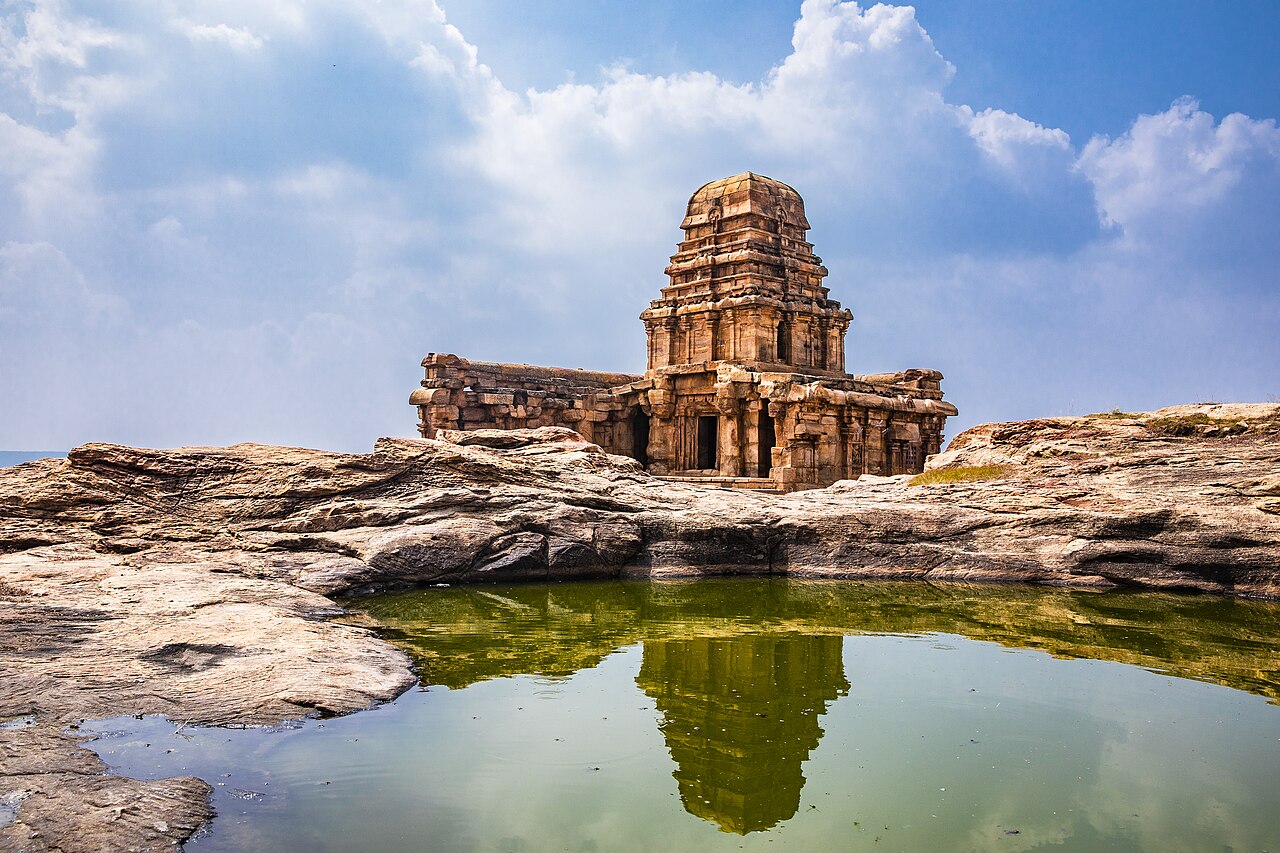
Badami North Fort and Shivalayas
Ancient temples crowning Badami's rocky citadel
Calm· 4%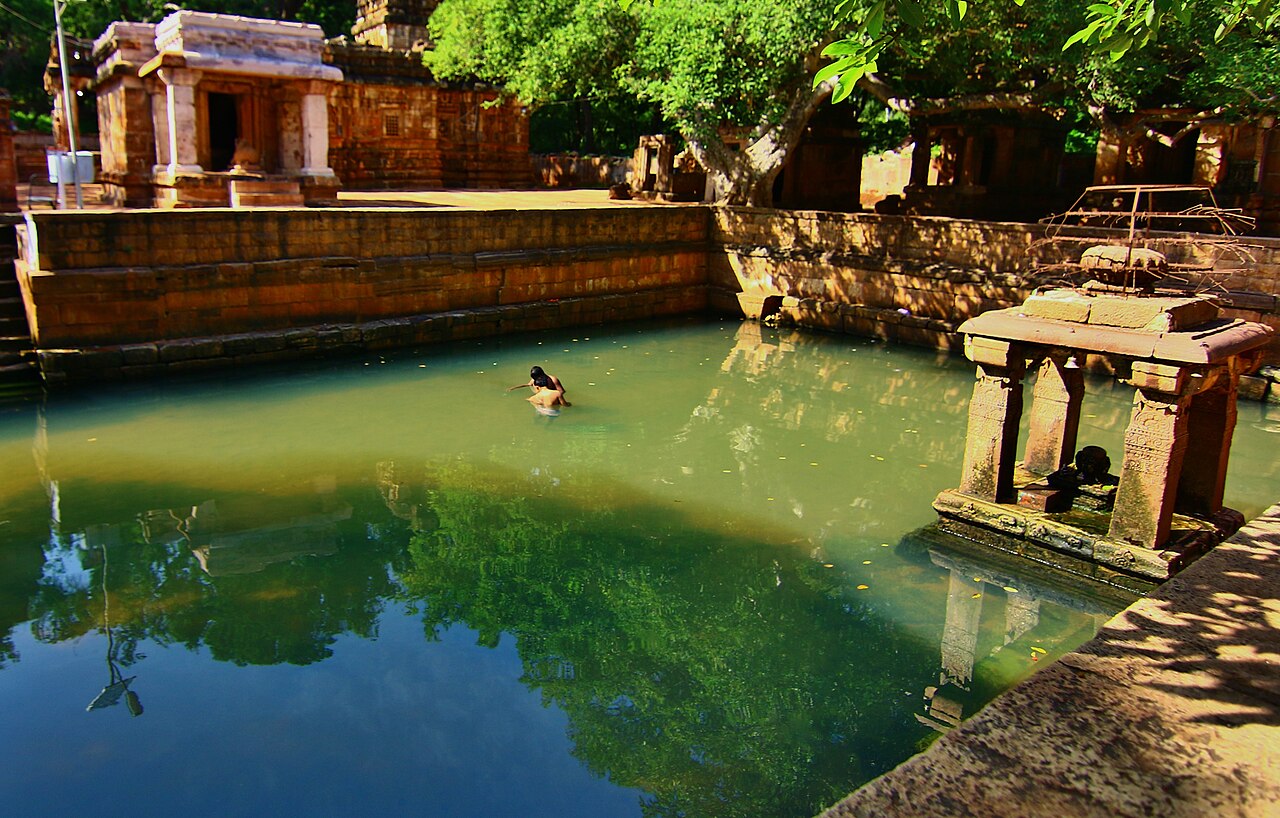
Mahakuta Group of Temples
Chalukya shrines around a living spring-fed tank
Calm· 3%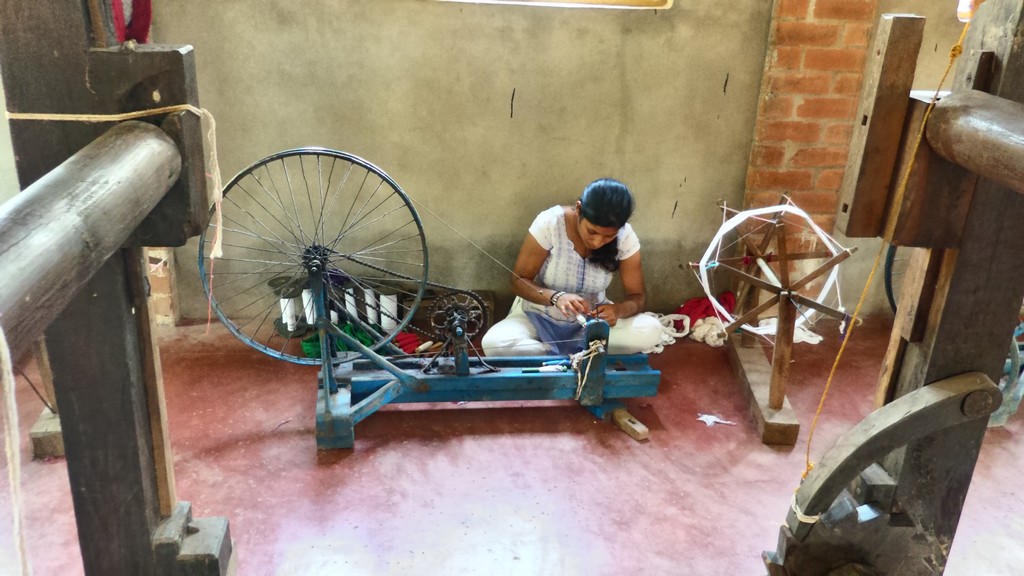
Guledgudda Khana Weavers
Home of the shimmering khana blouse fabric
Calm· 2%
Siddhanakolla
A hidden rocky valley of springs and saints
Calm· 2%Sources (7)
- https://en.wikipedia.org/wiki/Badami_cave_temples
- https://en.wikipedia.org/wiki/Badami
- http://www.asidharwadcircle.in/jaina-shaiva-and-vaishnva-caves-badami/
- https://whc.unesco.org/en/tentativelists/5972/
- https://karnatakatourism.org/en/destinations/badami
- https://bagalkot.nic.in/en/tourist-place/badami-caves/
- https://www.waytoindia.com/travel-guide/karnataka/badami-aihole-pattadakal