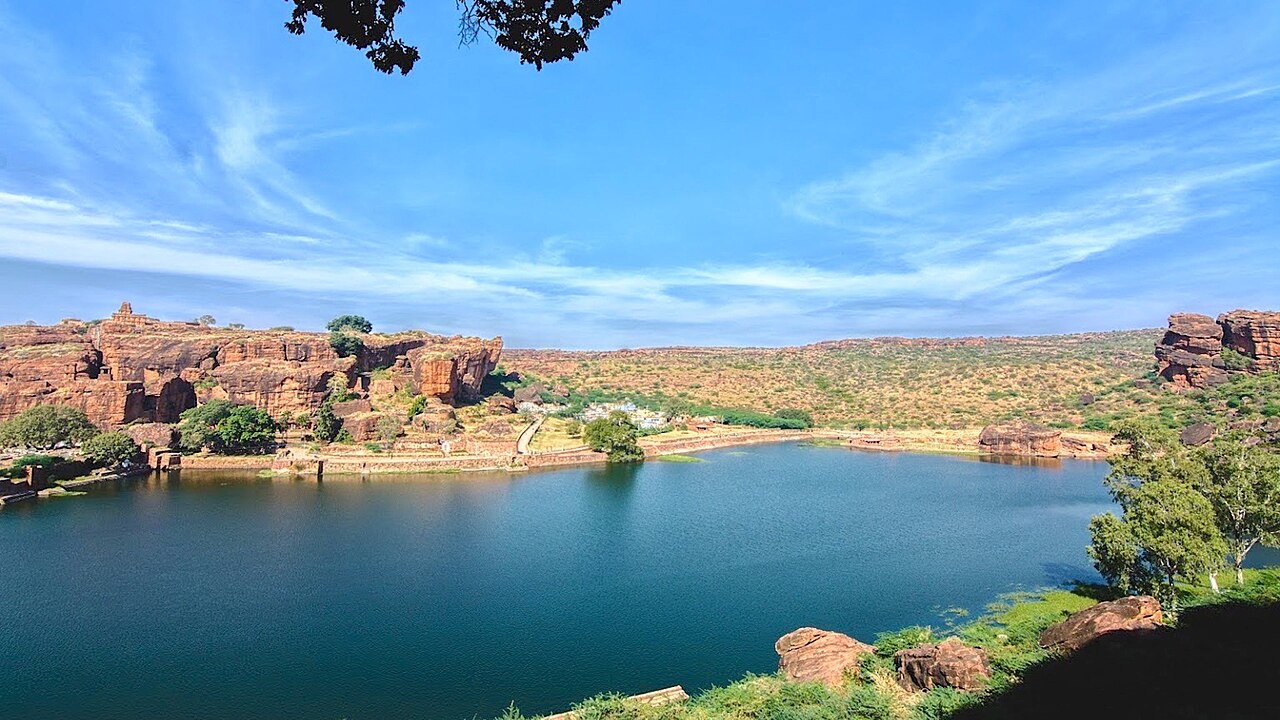
Agastya Lake
Sacred waters of sage Agastya's legend
📷 Photos Worldwide · CC0 · Wikimedia Commons
The story
Pause here by the water. This is Agastya Lake, the heart of old Badami. Its builders held back the water with an earthen dam faced with stone steps, giving the town a reliable supply. But locals will tell you an older story. Legend says two demon brothers, Ilvala and Vatapi, played a deadly trick. Ilvala would turn Vatapi into a goat, cook him, and serve the meat to an unsuspecting guest. Then he would call his brother's name, and Vatapi would burst out, killing the guest. One day the great sage Agastya came to dinner. He ate the meal, and when Ilvala called out, Vatapi had already been digested. In the Ramayana, Ilvala was then slain by the sage's glance. Local tradition links the town's old name, Vatapi, to that demon, and the lake still honours Agastya. Look around. Caves, temples and fort walls all gather at its shore.
Crowd forecast
Best time to visit: 6 AM
Estimated from day, hour, season, holidays & festivals, blended with live visitor reports.
How crowded is it right now?
Rate 1 to 10 — 1 is almost empty, 10 is packed.
Plan your visit
Timings
Open all day; best visited in daylight (approx.)
Entry
Free
Typical visit
30 min
Best time
October to February; sunrise or sunset, when the cliffs glow and reflect in the water
Accessibility
Partly accessible · ~10 steps (approx.)
The lake can be enjoyed from the roadside and the cave temple approach without climbing. The ghats are steep, worn stone steps that can be slippery when wet, so take care near the water and keep children close. There is little shade on the banks.
Key facts
- Agastya Lake, also written Agasthya and called Agastya Tirtha or Vatapi lake, is an artificial (man-made) lake in Badami.
- It was formed by an earthen dam faced with stone steps between the bases of the hills, and broad stepped ghats line parts of its shore.
- Its construction date is debated, with sources ranging from the 5th to the 7th century CE; it is often attributed to the Early Chalukyas as a water supply for their capital.
- The four Badami cave temples overlook the lake from the cliff on its south side.
- The Bhutanatha temple group stands on its east bank, and the Mallikarjuna group of the 11th–12th century lies close by on its north side.
- Badami's fortified hills rise to the north and south of the lake, and the town lies on its west bank.
- Legend (Mahabharata): the demon Ilvala turned his brother Vatapi into a goat or ram, fed the meat to guests and then called him, so that Vatapi burst out and killed them.
- Legend (continued): when the sage Agastya ate the meal, he digested Vatapi before he could return; in the Ramayana version, Ilvala was then slain by the sage's glance.
- Local tradition links Badami's ancient name, Vatapi, to this demon, and the lake is named after the sage Agastya.
- The water is regarded as holy; locals believe it has healing powers, and townspeople still use the ghats, for example to wash clothes.
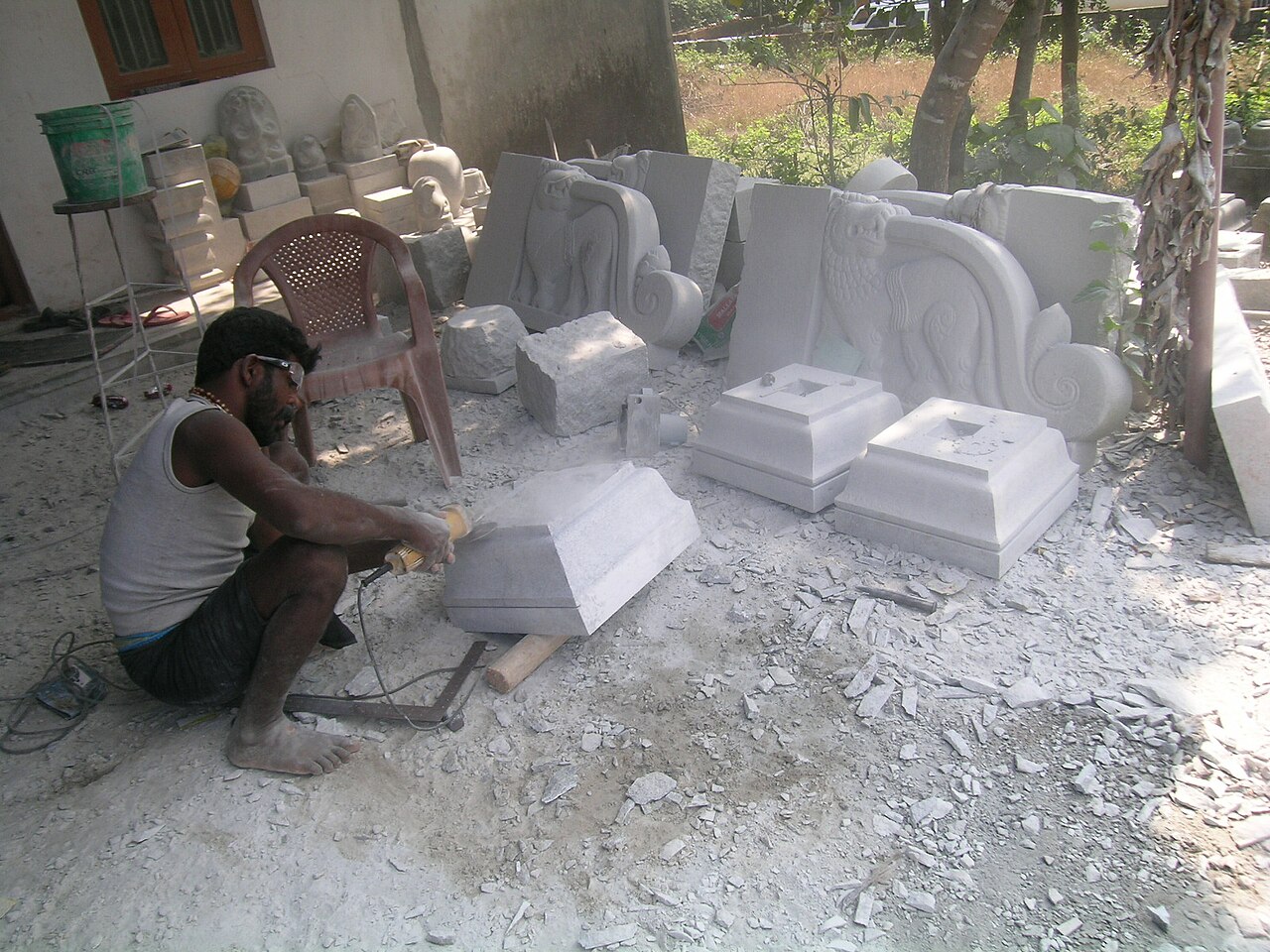
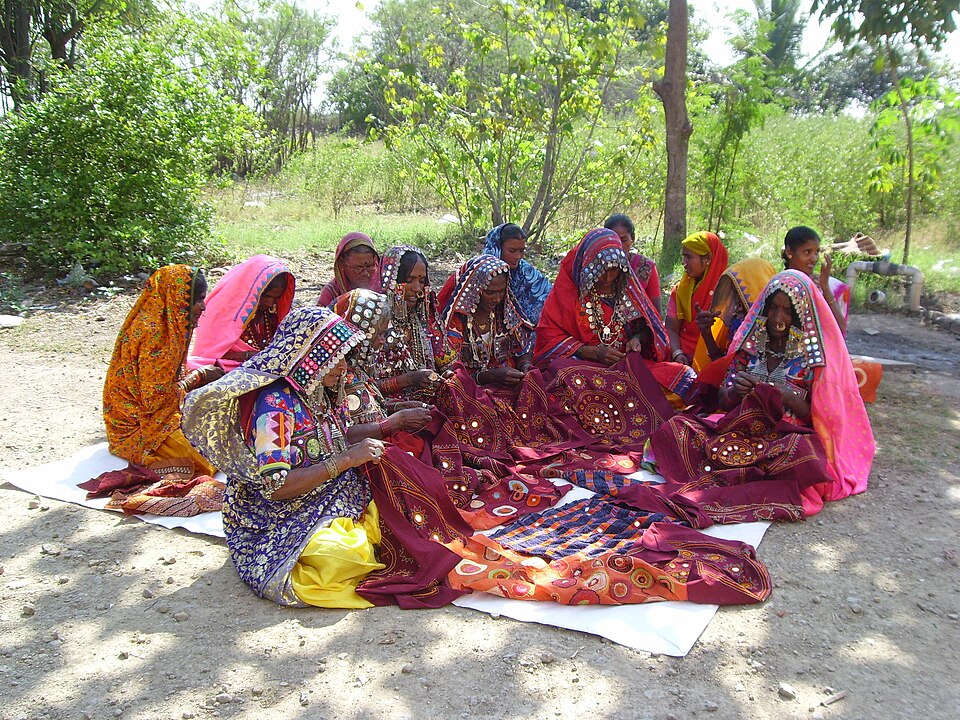
Artisans nearby
Hidden gems nearby
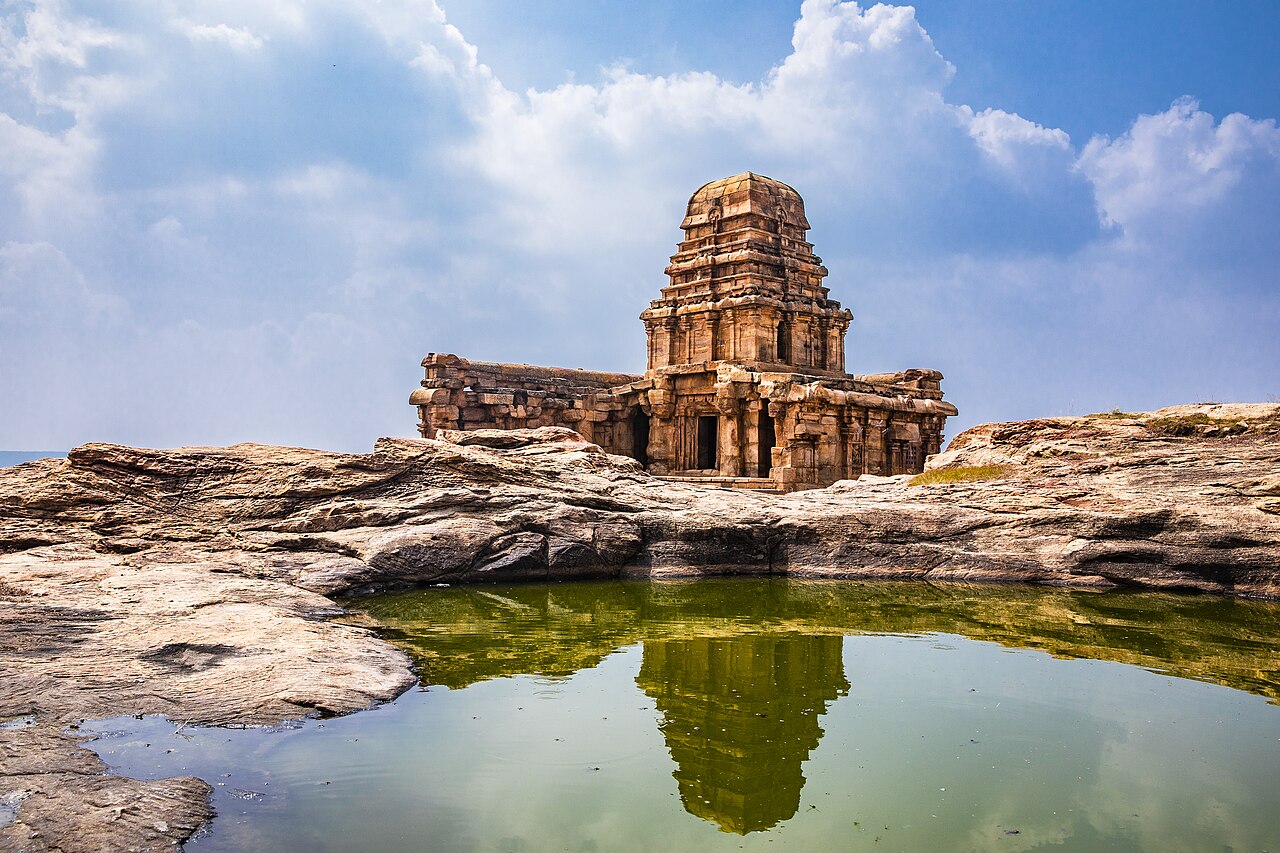
Badami North Fort and Shivalayas
Ancient temples crowning Badami's rocky citadel
Calm· 4%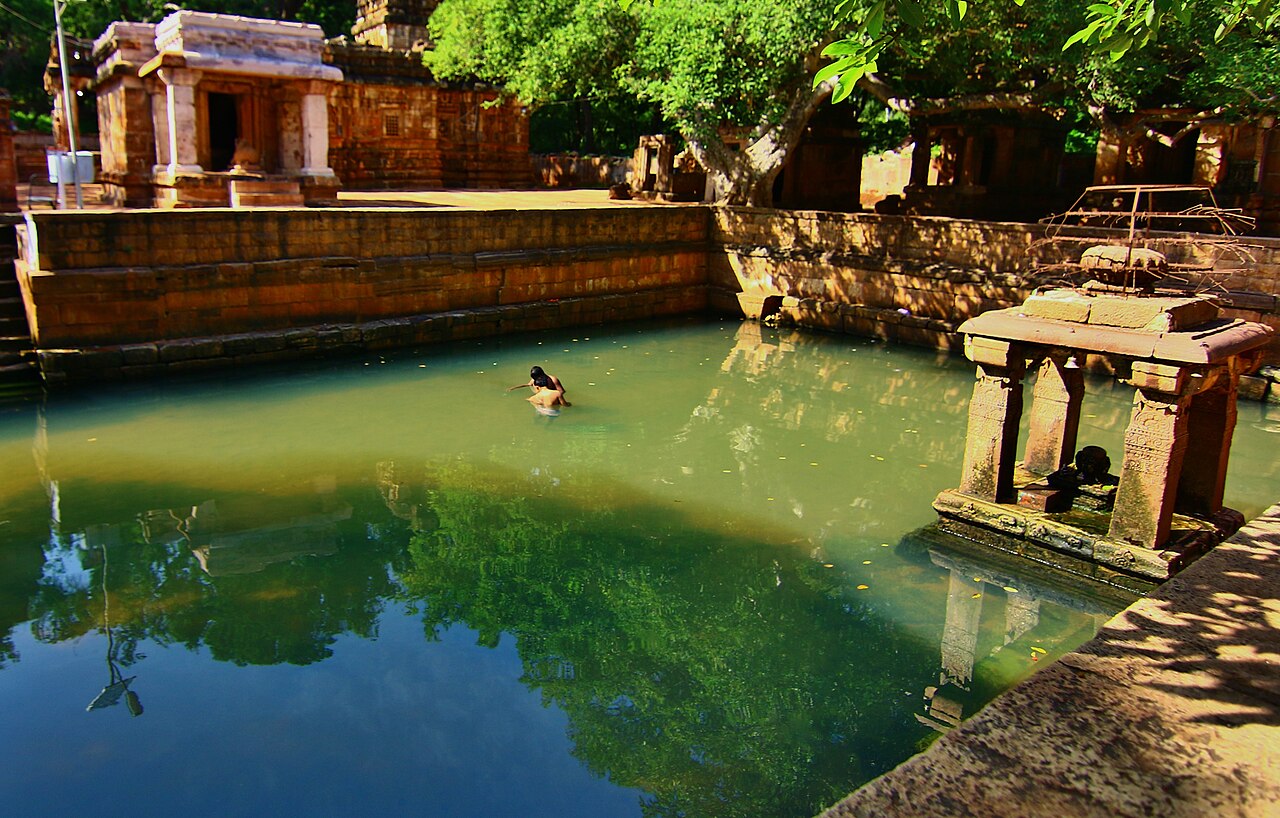
Mahakuta Group of Temples
Chalukya shrines around a living spring-fed tank
Calm· 3%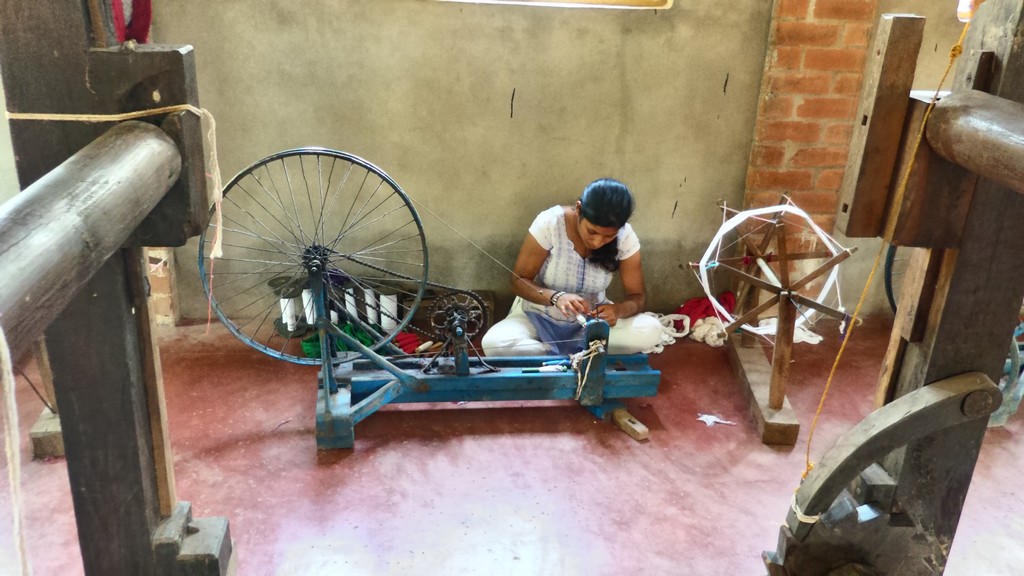
Guledgudda Khana Weavers
Home of the shimmering khana blouse fabric
Calm· 2%
Siddhanakolla
A hidden rocky valley of springs and saints
Calm· 2%Sources (7)
- https://en.wikipedia.org/wiki/Agastya_Lake
- https://en.wikipedia.org/wiki/Ilvala_and_Vatapi
- https://en.wikipedia.org/wiki/Badami
- https://en.wikipedia.org/wiki/Badami_cave_temples
- https://en.wikipedia.org/wiki/Badami_Fort
- https://www.thenewsminute.com/article/legend-vatapi-and-magnificent-rock-cut-shrines-badami-chalukyas-56704
- https://www.incredibleindia.gov.in/en/karnataka/badami/bhutanatha-temple